Programming & Workouts
Training programs, routines, and how to structure your lifting.
Home Gym Programming: Pick One, Run It
The biggest progression killer in home gym training isn't bad equipment, bad form, or insufficient effort. It's program-hopping. Beginners switch programs every 2 weeks chasing the next thing on YouTube. Advanced lifters chase Russian protocols, conjugate, daily undulating, you name it.
The lifters who actually get strong pick one good program and run it for 16+ weeks. That's the secret.

CAP Barbell 300-Pound Olympic Set (Includes 7 Feet Bar)
Capacity
300 lbs total (255 lbs plates + 45 lb bar)
Steel
Cast Iron Plates / Chrome Bar
Footprint
7ft Olympic Bar (28mm shaft)
Price
$499.99
- 4.5+ star rating with 8,000+ reviews
- Complete barbell + plate set in one purchase
- Standard Olympic 2" sleeves fit all racks
- Includes: 2x45, 2x35, 2x25, 2x10, 4x5, 2x2.5 lb plates
- Cast iron plates are durable and accurate
- Best value starter weight set available
- Bar is entry-level (bushing sleeves, mild knurling)
- Plates are not calibrated for competition use
- No bumper plates — not safe to drop on concrete
- Chrome plating on bar chips over time
Price and availability may change
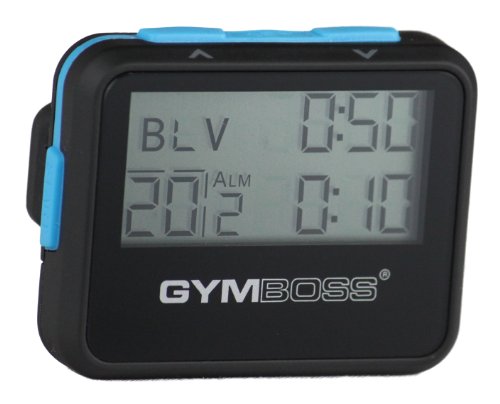
Gymboss Interval Timer and Stopwatch - Black/Blue SOFTCOAT
Capacity
N/A — timer
Steel
Impact-Resistant Polymer / Belt Clip
Footprint
2" x 2.5" — clip-on
Price
$20.95
- 4.5+ star rating on Amazon with 5,000+ reviews
- Programmable intervals for HIIT, Tabata, EMOM
- Loud beep + vibrate alert modes
- Clips to waistband or sets on floor
- Simple 3-button interface — no app needed
- Best dedicated workout timer on Amazon
- Small screen can be hard to read mid-workout
- Battery replacement requires tiny screwdriver
- No Bluetooth or app connectivity
Price and availability may change
Programs by Experience Level
Beginner (0-1 year of training)
Starting Strength or StrongLifts 5x5. Both are linear progression programs where you add 5 lbs per session until you stall. Both work.
- 3 days per week
- 3-5 sets of 5 reps on 4-5 compound lifts
- No accessory work needed
- Add weight every session
- Lasts 3-6 months until you stall on every lift
The full beginner template is in our home gym programming guide.
Intermediate (1-3 years of training)
5/3/1 Boring But Big, Texas Method, or Greyskull LP. All three add weekly variation and longer progression cycles.
- 4 days per week
- Heavy day, volume day, light day rotation
- Percentage-based loading (% of 1RM)
- Deload every 4 weeks
- Lasts 6-12 months per cycle
Advanced (3+ years of training)
Sheiko, Conjugate (Westside), Daily Undulating Periodization, or a custom program from a coach.
- 4-6 days per week
- High frequency, high volume
- Multiple training waves
- Periodization peaking for meets or PRs
Programming Principles That Apply at Every Level
Five principles that don't change regardless of experience:
-
Progressive overload is the only thing that builds strength. Every program is just a structured way to add weight, reps, sets, or density over time. Without progression, no program works.
-
Volume drives hypertrophy. Intensity drives strength. Want bigger? Run more sets per muscle. Want stronger? Run heavier with lower reps. Most people need both.
-
Recovery is a training variable. Skipping deloads, sleeping 5 hours, under-eating protein — all of these crash even the best program. Treat recovery as part of the program, not optional.
-
Track everything. A workout log is the difference between progress and stagnation. Write down every set, every rep, every weight. Without data, you can't progress.
-
Specificity matters. If you want a bigger bench, bench more often. If you want a bigger squat, squat more often. Don't expect deadlift work to drive your bench numbers.
Tracking Progress: The Training Log
A training log is the single most underrated tool in strength training. Without one, you're guessing — and guessing doesn't produce progressive overload.
What to track for every session:
- Exercise name, sets, reps, and weight. The basics. "Squat 3x5 @ 225" tells you exactly what to beat next time.
- RPE (Rate of Perceived Exertion) on the last set. A 1-10 scale where 10 is absolute failure. This tells you whether you have room to add weight next session. Target RPE 7-8 on working sets, RPE 9 on the last set.
- Bodyweight (weekly average). Weight fluctuates 2-5 lbs daily from water, food, and sodium. Weekly averages smooth out the noise and show the real trend.
- Sleep quality and hours. Two weeks of poor sleep will crash your training numbers. Tracking sleep alongside performance reveals the connection.
You don't need an app. A notebook and pen works. The act of writing forces you to pay attention to the numbers, and reviewing past sessions before you train creates accountability. The Gymboss timer helps keep rest periods consistent, which makes session-to-session comparisons more meaningful.
Autoregulation: When the Program Says One Thing and Your Body Says Another
No program accounts for real life. Bad sleep, work stress, a cold, travel, dehydration — all of these reduce your training capacity on any given day. Smart programming includes autoregulation: the ability to adjust the session based on how you're performing, not just what's written.
The simplest autoregulation method: hit your prescribed warm-up sets. If they feel heavier than usual, reduce working weight by 10%. If they feel lighter than usual, add 5 lbs. This single adjustment prevents grinding through bad days (which increases injury risk) and capitalizes on good days (which drives faster progress).
Advanced autoregulation methods like RPE-based training and velocity-based training exist, but the warm-up check is sufficient for 90% of home gym lifters.
What to Skip
The most common programming mistakes:
- Constantly changing programs. You haven't given any one of them enough time to work.
- Adding "advanced techniques" too early. Drop sets, rest-pause, accommodating resistance — none of these matter until you've maxed out basic linear progression.
- Neglecting accessory work. The big lifts get the headlines but the accessories build the muscles that stabilize them.
- Skipping mobility. 5-10 minutes per session of joint-specific mobility work prevents the injuries that derail everything.
- Ignoring sleep and protein. No program works on 5 hours of sleep and 50g of protein per day.
Common Questions
How long should I run a program before changing?
Should I follow a free program or pay for one?
How many days per week should I train?
Should I do cardio alongside lifting?
What's the biggest programming mistake?
Guides & How-Tos(23)
Strength vs Hypertrophy: How to Program for Your Goals (2026)
The definitive guide to programming for strength vs size in your home gym. Rep ranges, volume, intensity, and complete programs for both goals.
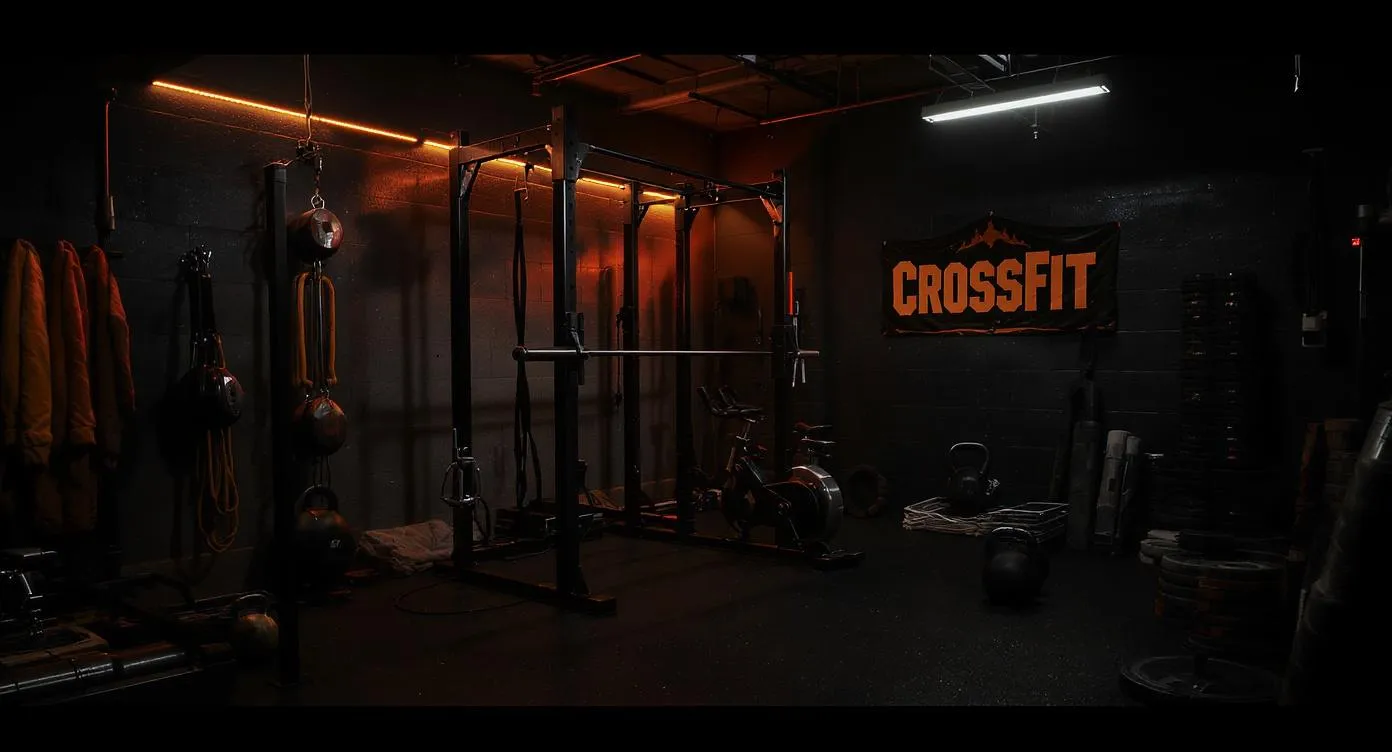
CrossFit Home Gym Setup: Complete Equipment Guide (2026)
How to build a complete CrossFit home gym. Equipment list, budget options, and programming for garage gym CrossFit training.
Garage Gym Ventilation & Climate Control Guide (2026)
How to keep your garage gym cool in summer and warm in winter. Complete guide to fans, heaters, insulation, and airflow.
How to Buy Used Gym Equipment (Without Getting Ripped Off)
Save 30-60% by buying used home gym equipment. Where to find deals, what to inspect, red flags to avoid, and the best items to buy secondhand.
Powerlifting Home Gym Setup: Equipment & Building Guide (2026)
How to build the perfect powerlifting home gym. Equipment priorities, budget tiers, and the setup that will take you to 1,000+ lbs total.
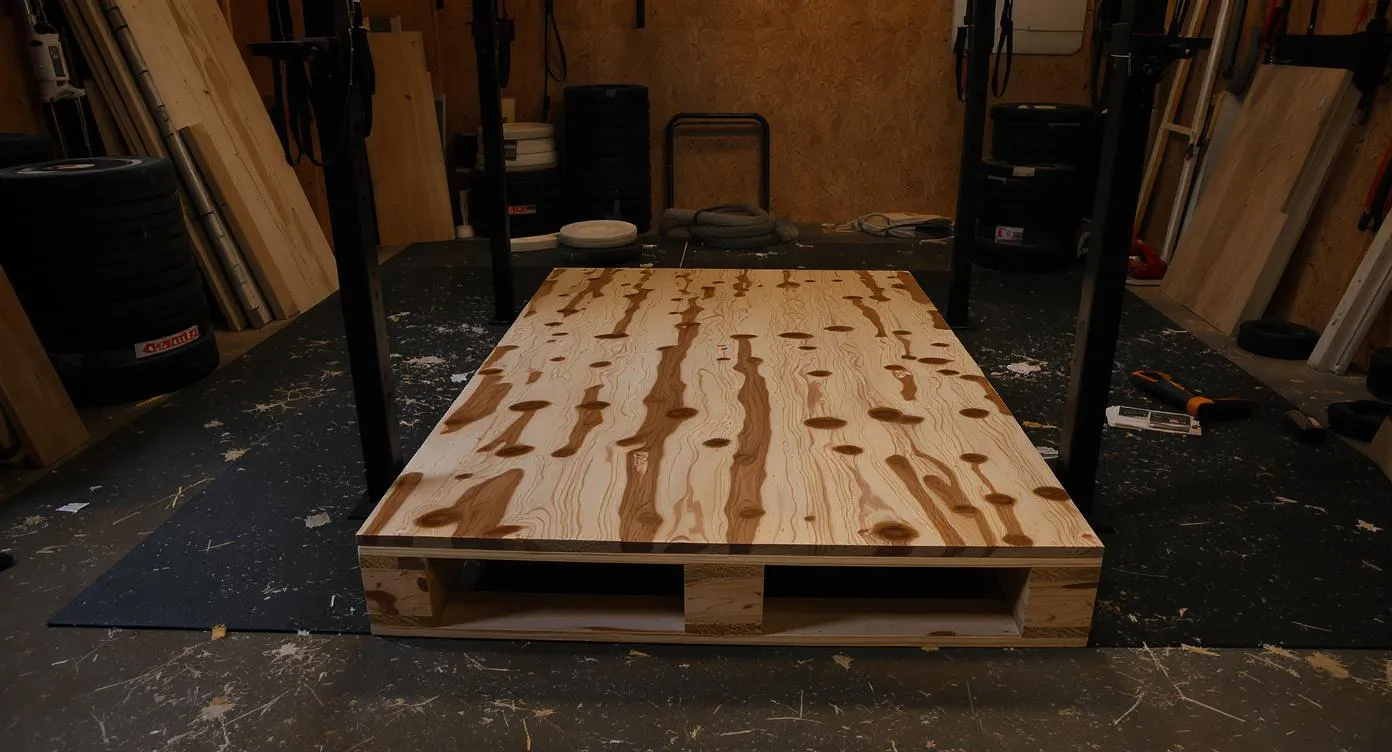
How to Build a DIY Lifting Platform (Step-by-Step Guide)
Build a sturdy, professional lifting platform for under $200. Complete step-by-step guide with materials list, tools needed, and construction photos.
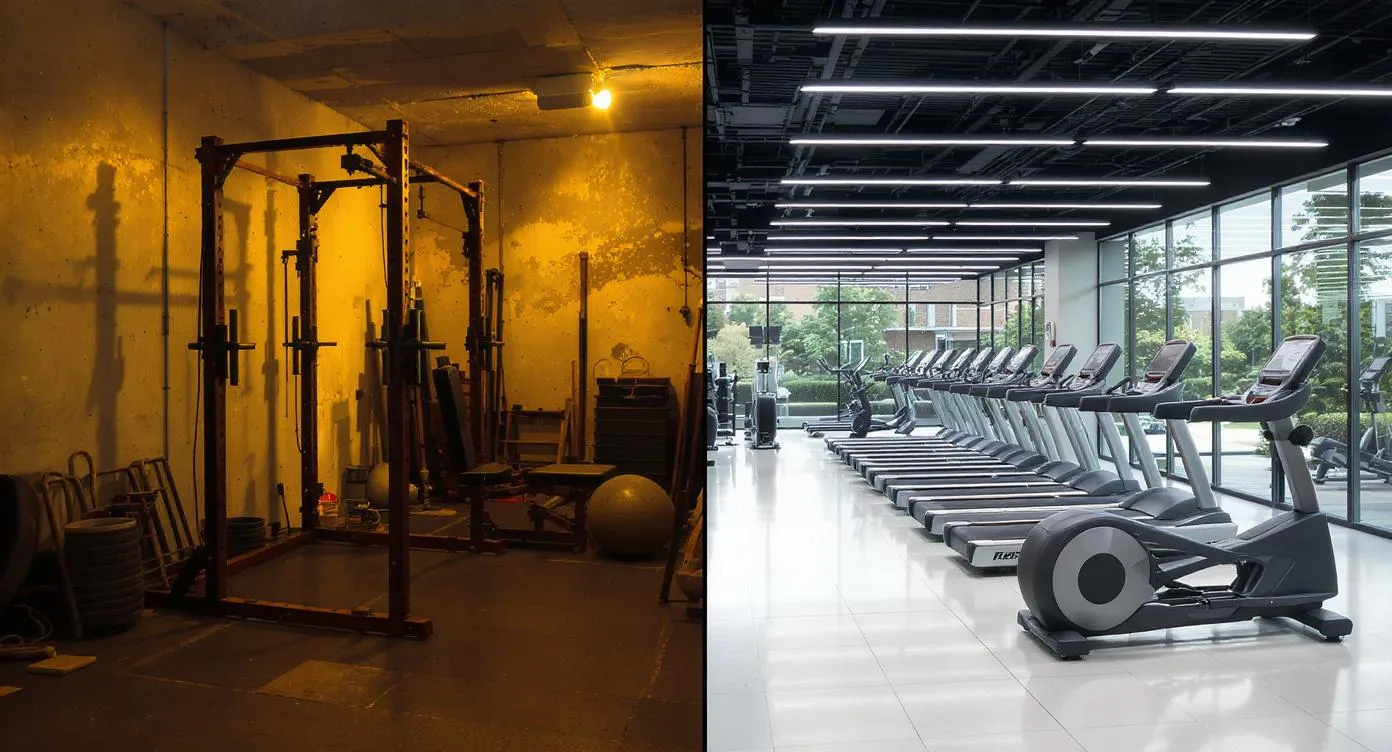
Home Gym vs Commercial Gym: The Real Cost Comparison (2026)
A brutally honest cost comparison between building a home gym and paying for a commercial gym membership. The math might surprise you.
50 Exercises You Can Do With Just a Barbell (Complete List)
A complete list of exercises you can perform with nothing but a barbell and plates. No rack, no bench, no machines — just iron.
How to Anchor a Power Rack: Concrete & Wood Floor Guide (2026)
Step-by-step guide to anchoring your power rack to concrete or wood subfloor. Tools, hardware, and safety considerations.
Home Gym Training Programs: What to Run With Limited Equipment
The best strength training programs you can run with a basic home gym setup. Barbell-only, rack + bench, and full home gym programs.
Garage Gym Electrical & Power Setup Guide (2026)
How to set up electrical power in your garage gym. Outlets, dedicated circuits, extension cords, and what equipment needs what power.
12 Garage Gym Mistakes That Waste Your Money (And How to Avoid Them)
The most common and expensive mistakes people make when building a garage gym. Learn from our failures so you don't repeat them.

Garage Gym Summer Cooling: Train Through the Heat (2026)
How to keep your garage gym cool in summer. Fans, AC, ventilation, and timing strategies for hot weather training.
Training in a Cold Garage Gym: Winter Survival Guide
How to train in your garage gym during winter. Heating strategies, cold barbell solutions, warm-up protocols, and gear to survive sub-freezing workouts.
Home Gym in Small Spaces: Building in Under 100 Sq Ft
How to build a complete home gym in a small space (bedroom, corner, closet). Space-efficient equipment and creative layout tips.
The Complete Guide to Garage Gym Flooring (2026)
Everything you need to know about garage gym flooring. Compare rubber tiles, horse stall mats, and rolled rubber to protect your floor and equipment.
Garage Gym Lighting Guide: Best Lights for Training (2026)
How to light your garage gym properly. Best LED shop lights, placement tips, and budget-friendly setups for safe, motivating training.
Home Gym Nutrition Basics: What to Eat for Your Training Goals
Simple, practical nutrition guidelines for home gym lifters. Protein intake, meal timing, supplements that actually work, and what to skip.
How to Organize Your Garage Gym (Layout & Storage Guide)
How to lay out, organize, and store equipment in your garage gym. Space planning, wall storage, plate organization, and keeping your gym clean.
How to Soundproof Your Garage Gym (Without Breaking the Bank)
Practical, budget-friendly ways to reduce noise from your garage gym. Protect your floors, your neighbors, and your marriage.
Bodybuilding Home Gym Setup: Equipment & Training Guide (2026)
How to build the perfect bodybuilding home gym. Equipment priorities, essential machines, and the setup for serious muscle building.

How to Build a Garage Gym: The Complete Beginner's Guide
Everything you need to know about building a garage gym from scratch. Space planning, equipment priority, flooring, ventilation, and common mistakes.
Garage Gym Safety: Essential Rules for Training Alone
How to train safely in a home gym without a spotter. Safety equipment, technique rules, and emergency protocols every solo lifter needs.