Recovery & Mobility
Foam rolling, rehab, back pain, and recovery tools.
Recovery: The Other Half of Training
You don't get stronger from training. You get stronger from recovering from training. Most home gym owners spend 100% of their attention on the lift and 0% on the recovery — then wonder why they plateau, get injured, or feel beat up after every session.
Recovery isn't a luxury. It's the actual mechanism by which strength and muscle are built. Sleep, nutrition, mobility, and active recovery aren't "extras" — they're the work.

TriggerPoint Grid 1.0 Foam Roller - 13" Multi-Density Massage Roller for Deep Tissue & Muscle Recovery - Relieves Tight, Sore Muscles & Kinks, Improves Mobility & Circulation - Targets Key Body Parts
Capacity
500 lbs
Steel
EVA Foam / Rigid Hollow Core
Footprint
13" x 5.5" diameter
Price
$32.92
- 4.7+ star rating on Amazon with 20,000+ reviews
- Multi-density GRID surface targets muscles differently
- Rigid hollow core won't flatten over time
- 500 lb weight capacity — built to last
- Compact 13" size for travel
- The gold standard in foam rollers
- Pricier than basic smooth rollers
- 13 inches too short for full-back rolling
- Firm surface may be intense for beginners
Price and availability may change
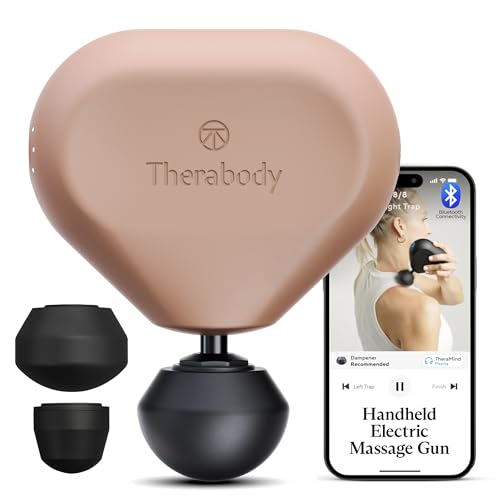
TheraGun Mini (3rd Generation) by Therabody – Ultra-Portable Massage Gun and Travel Essential for Fast, Effective Pain and Tension Relief Anywhere (Desert Rose)
Capacity
N/A — recovery tool
Steel
QX35 Motor / 3 Speed Settings
Footprint
30% smaller than 2nd Gen — palm-sized
Price
$219.99
- 4.6+ star rating on Amazon with 8,000+ reviews
- Ultra-portable — fits in a gym bag
- 3 speed settings (1750-2400 PPM)
- 150-minute battery life per charge
- Quiet — usable in shared spaces
- Best compact percussion massager
- Only 1 attachment head included
- Less powerful than full-size Theragun
- Premium price for mini size
Price and availability may change
The Recovery Stack
Cheap, effective tools for the home gym:
- Foam roller ($35) — daily soft tissue work for IT band, quads, hamstrings, upper back. The single most cost-effective recovery tool ever made. Read the TriggerPoint Grid 1.0 review.
- Lacrosse ball ($5) — for trigger points the foam roller can't reach. Glutes, pecs, calves, feet.
- Resistance bands — for warm-ups, mobility flows, and stretching. Read the Bodylastics review.
- Hyperextension bench — back, glute, and hamstring strengthening prevents the injuries that wreck careers. Read the Marcy Roman chair review.
- Yoga mat — for floor mobility, stretching, and core work.
Total recovery toolkit: under $200.
The Big Three Recovery Habits
The expensive tools (massage guns, normatec boots, infrared saunas, cryotherapy) are 5% of recovery. The other 95% is three free habits:
1. Sleep 7-9 hours. This is the only recovery intervention with consistent research support. Less than 7 hours and your strength gains stall, your hormonal profile crashes, and your injury risk spikes. Sleep is non-negotiable.
2. Eat 0.7-1g protein per lb of bodyweight. Protein is the literal building block of muscle repair. A 180 lb lifter needs 130-180g of protein per day, every day. Most lifters under-eat protein by 30-50%.
3. Walk daily. Easy zone 1-2 walks (60-65% max heart rate) for 20-40 minutes flush out lactate, improve circulation, and accelerate recovery. Walking after a hard training day is one of the cheapest performance enhancers in fitness.
The Science of Recovery: What Actually Works
Recovery interventions fall into three tiers based on research evidence:
Tier 1 — Strong evidence, high impact: Sleep (7-9 hours), protein intake (0.7-1g/lb), hydration (half your bodyweight in ounces of water daily), and moderate-intensity active recovery (walking, light cycling). These are free and account for 90% of recovery quality.
Tier 2 — Moderate evidence, moderate impact: Foam rolling and self-myofascial release, stretching (static post-workout, dynamic pre-workout), contrast showers (alternating hot and cold for 2-3 cycles), and periodized training with built-in deload weeks. These cost little to nothing and provide measurable benefits in research.
Tier 3 — Weak evidence, marketed heavily: Compression boots (NormaTec), cryotherapy chambers, infrared saunas, BPC-157, CBD topicals, and most supplement-based recovery protocols. These aren't necessarily useless, but the research supporting them is thin compared to Tier 1 and 2 interventions. Don't spend $500 on recovery gadgets until your sleep, nutrition, and training periodization are dialed in.
The practical takeaway: if your recovery isn't where you want it, audit Tier 1 before buying Tier 3 tools. Most recovery problems are sleep problems.
Recovery Timing: The 48-Hour Window
After a hard training session, your body follows a predictable recovery curve:
- 0-2 hours post-workout: Acute inflammation peaks. This is normal and beneficial — don't suppress it with ice or NSAIDs unless you're injured.
- 2-24 hours: Muscle protein synthesis ramps up. This is the window where protein intake matters most. Aim for 30-50g of protein within 2 hours of training, then another serving at your next meal.
- 24-48 hours: DOMS (delayed onset muscle soreness) peaks. Light activity (walking, foam rolling) reduces symptoms. Heavy training the same muscle group during this window impairs recovery.
- 48-72 hours: Full recovery for most muscle groups in intermediate lifters. Beginners recover faster (24-48 hours). Advanced lifters may need 72+ hours between heavy sessions for the same muscle group.
Program your training around this curve. Full-body programs need 48 hours between sessions. Push/pull/legs splits let you train daily because each muscle group gets 48+ hours of recovery between sessions.
When You're Hurt
Pain isn't always injury — but it's never to be ignored. The framework:
- Sharp, localized, sudden pain → stop training that movement, see a PT.
- Dull, generalized soreness → normal DOMS, train through it.
- Pain that worsens during a set → stop that set, drop weight, finish.
- Pain that persists 5+ days → see a professional.
For low back pain specifically, read our home gym for back pain guide. The McGill Big 3 (bird dog, side plank, curl-up) is the foundation of back rehab.
Common Questions
Do I need a massage gun?
How often should I foam roll?
Are ice baths worth it?
What's the best recovery drink?
Guides & How-Tos(4)
Home Gym Deload Guide: When and How to Back Off (2026)
Learn when and how to deload in your home gym. Science-backed protocols, recovery strategies, and signs you need a rest week.
Home Gym for Back Pain Sufferers: Train Without Hurting (2026)
How to train safely with chronic or recurring back pain. Equipment, exercises, and programming for lifters with back issues.
Home Gym for Injury Rehab & Recovery: Equipment Guide
Build a home gym focused on rehab and recovery. Low-impact equipment, joint-friendly exercises, and training through injuries.
Home Gym for Postpartum Recovery: Safe Return to Training (2026)
How new mothers can safely return to strength training with a home gym. Postpartum-specific equipment, programming, and recovery guidance.
Product Reviews(5)
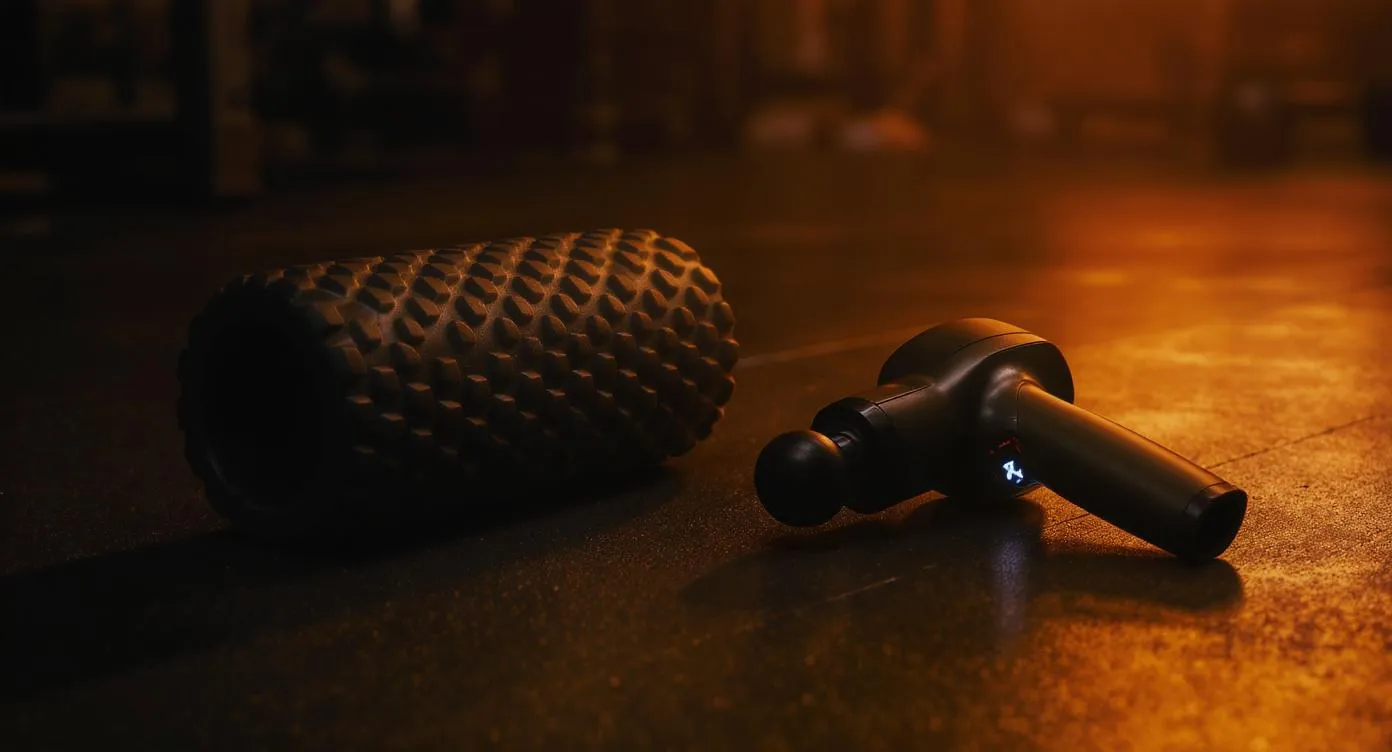
TriggerPoint GRID Foam Roller Review: Worth the Money?
Hands-on review of the TriggerPoint GRID Foam Roller. Is $36.99 worth it for your home gym?
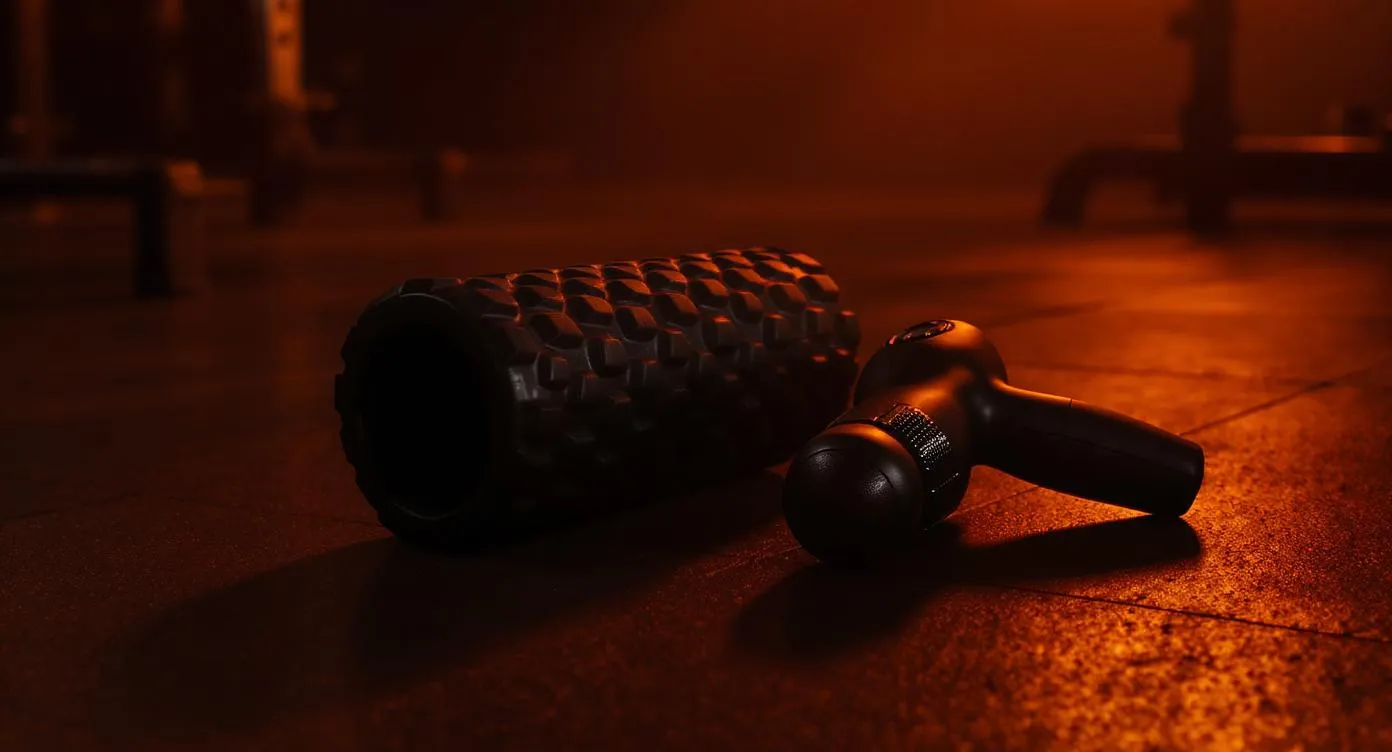
OPTP PRO-ROLLER Standard Density Review: Worth the Money?
Hands-on review of the OPTP PRO-ROLLER Standard Density. Is $27.95 worth it for your home gym?
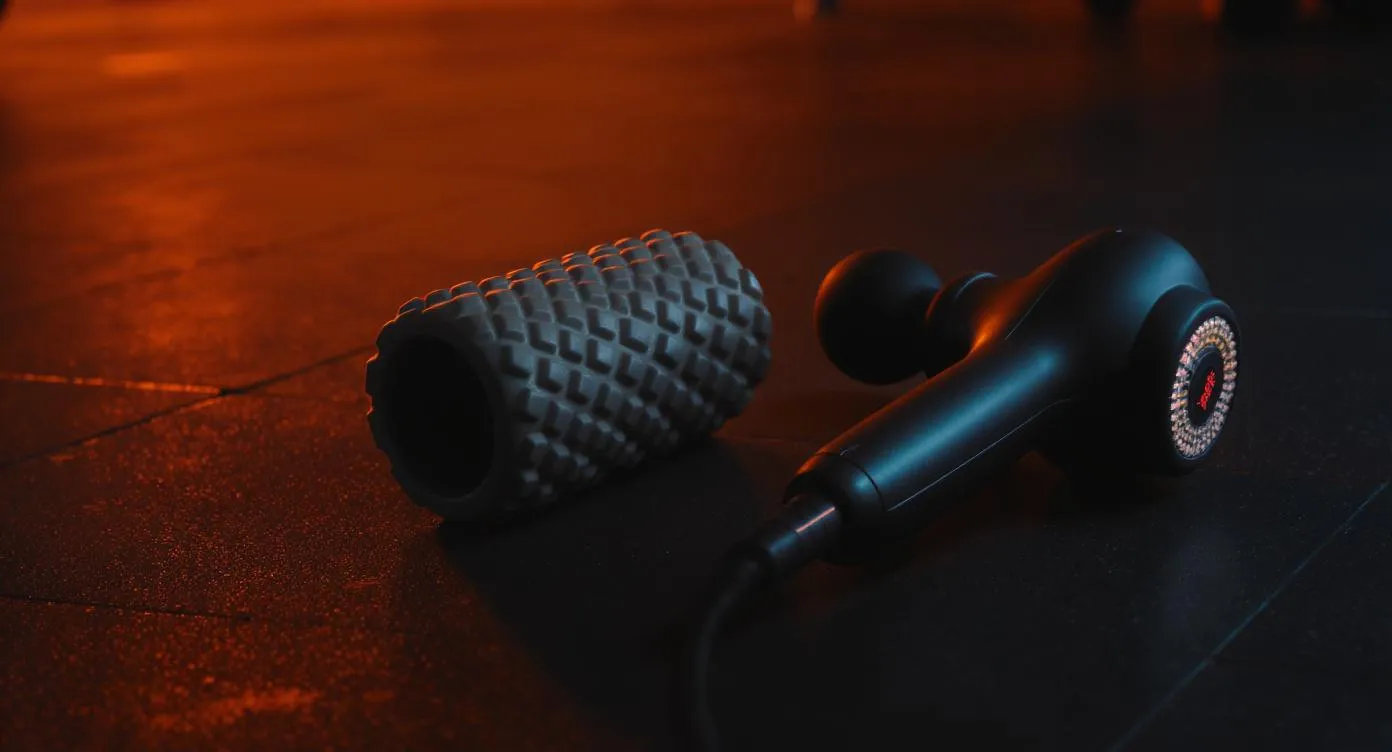
Chirp Wheel+ Back Pain Relief (3-Pack) Review: Worth the Money?
Hands-on review of the Chirp Wheel+ Back Pain Relief (3-Pack). Is $59.99 worth it for your home gym?
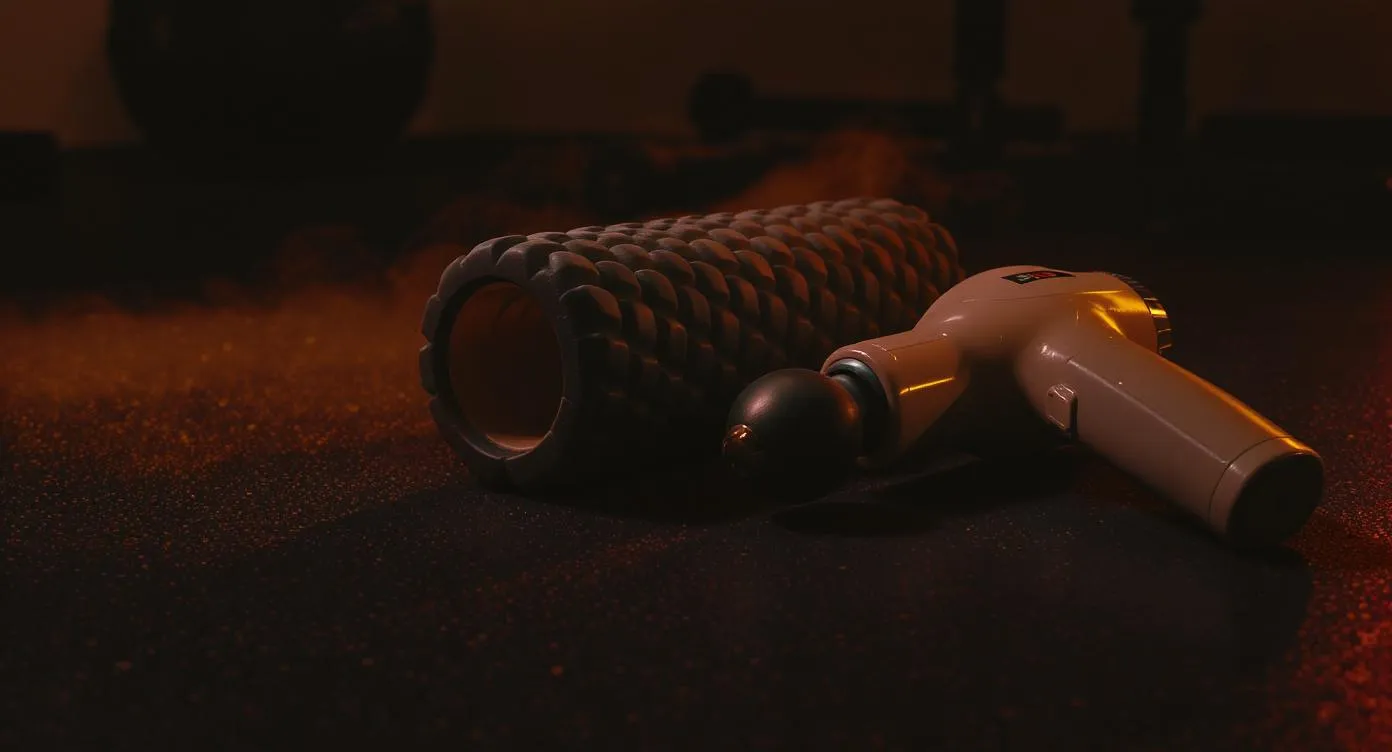
Theragun Mini Review: Is the Smallest Percussion Massager Worth $149?
We used the Theragun Mini daily for 4 months of post-workout recovery. Full breakdown of motor power, battery life, noise levels, portability, and how it compares to the full-size Theragun and budget alternatives.
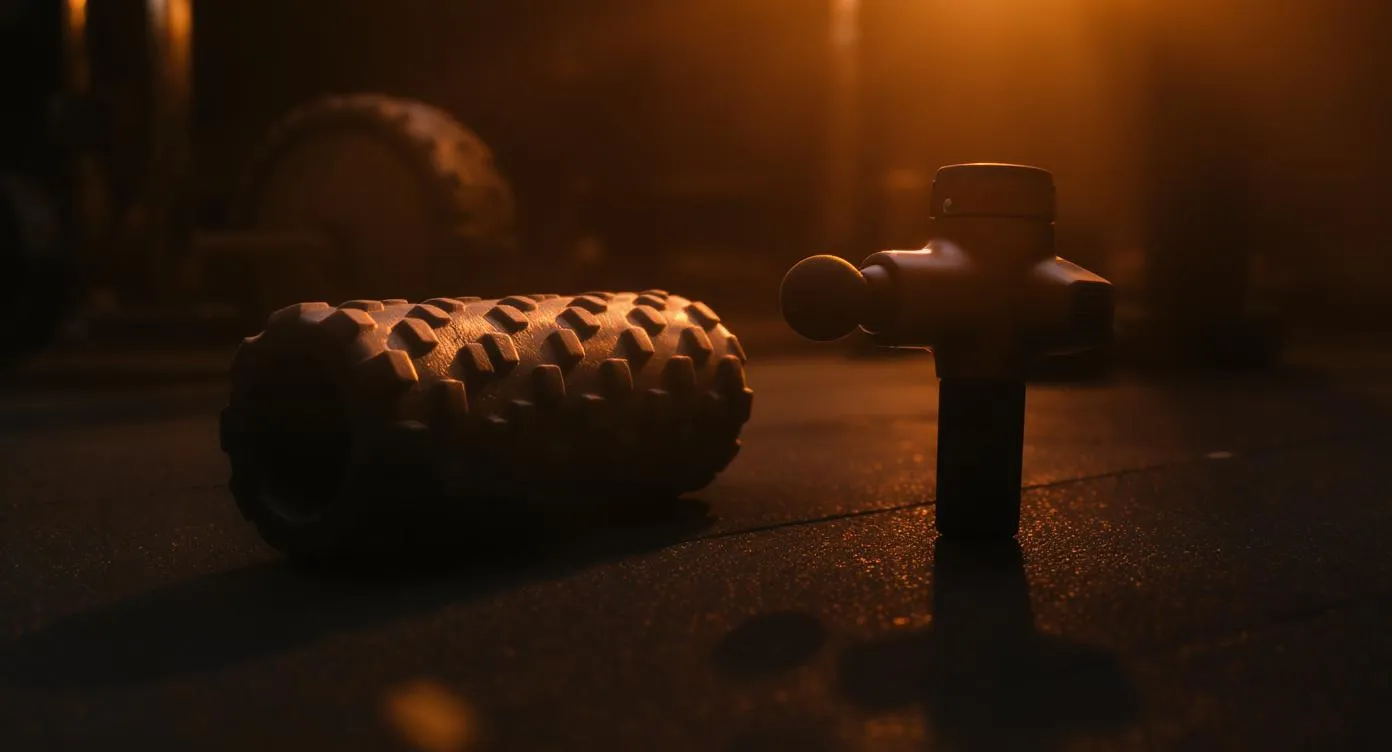
Hypervolt GO 2 Portable Massage Gun Review: Worth the Money?
Hands-on review of the Hypervolt GO 2 Portable Massage Gun. Is $129.00 worth it for your home gym?
Best Gear Roundups(2)
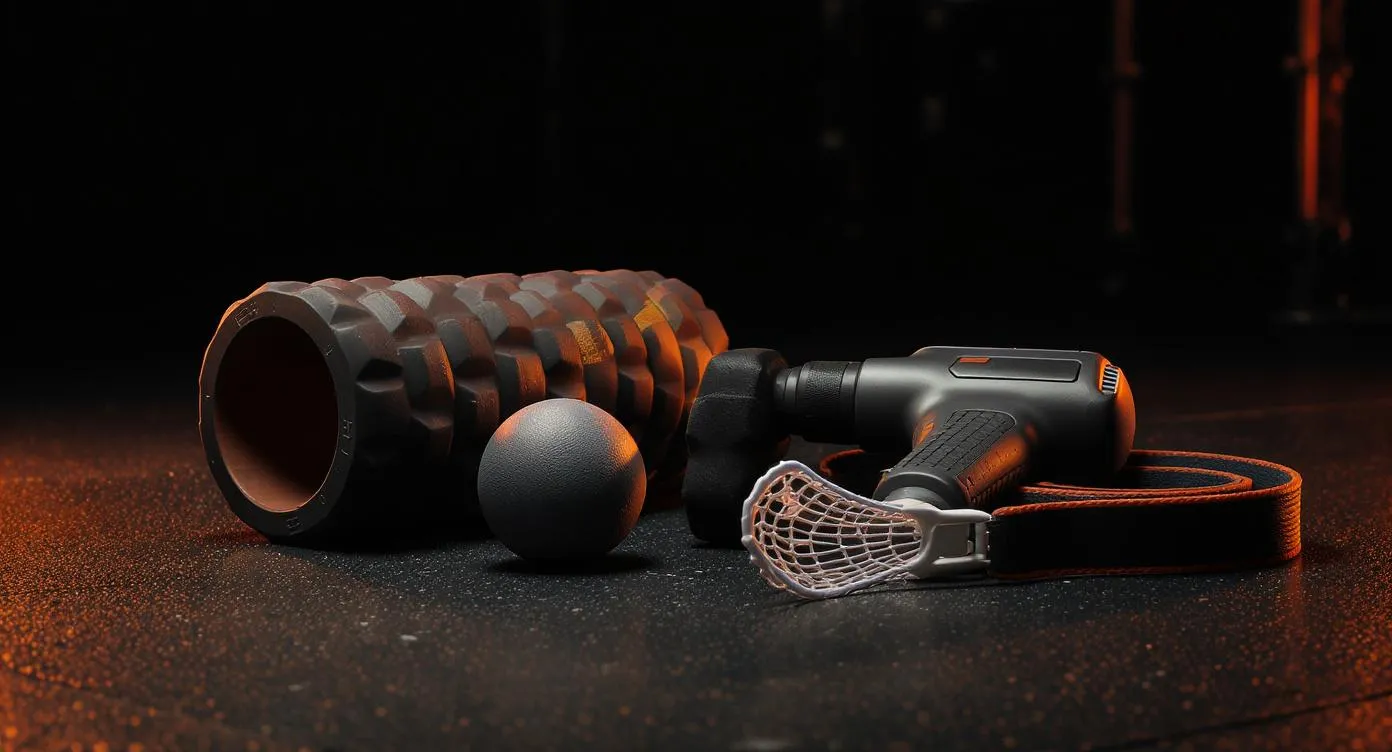
The Best Recovery Tools for Home Gyms (2026)
Foam rollers, massage guns, lacrosse balls, and stretching equipment. The recovery tools that actually work for home gym athletes.
Best Recovery Tools for Home Gyms in 2026
Tested: foam rollers, massage guns, back relief wheels, and stretching tools. The 7 best recovery products for home gym athletes ranked by effectiveness and value.