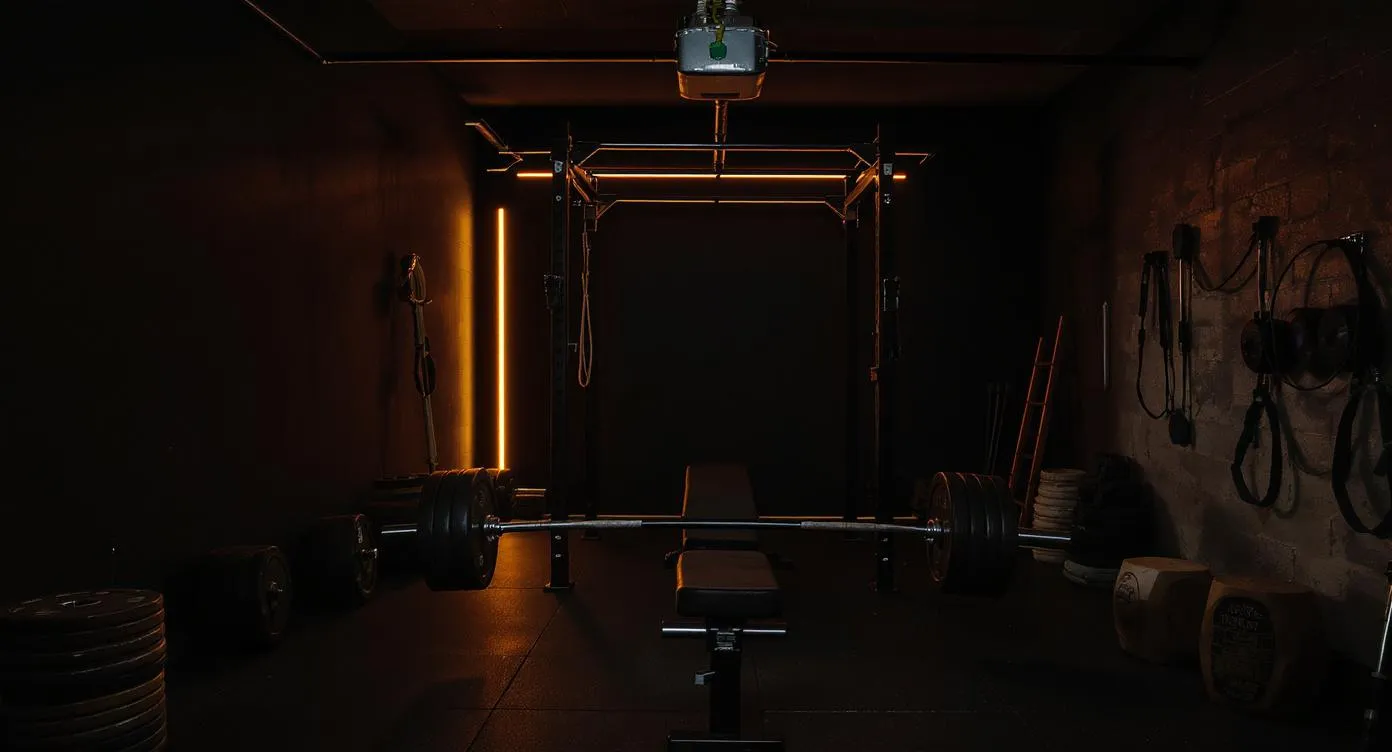
Beginners
Starting out? Everything a first-time home gym owner needs.
Welcome to Home Gym Training
If you're new to home gym training, you're entering one of the most rewarding decisions you can make for your health, your wallet, and your time. A home gym eliminates the three biggest barriers to consistent training: the commute, the crowd, and the cost. After the initial investment, your "membership" is free forever.
But the learning curve is real. Most beginners make the same expensive mistakes — buying the wrong equipment first, picking unstable budget brands that break in months, or trying to squat heavy without a power rack. This hub collects everything you need to start right.

ULTRA FUEGO Power Cage, Multi-Functional Power Rack
Capacity
800 lbs
Steel
2x2" 14-Gauge Steel
Footprint
50.5" L x 46.5" W x 83.5" H
Price
$389.98
- 4.5+ star rating on Amazon with 5,000+ reviews
- Excellent value under $350
- 800 lb weight capacity
- Includes multi-grip pull-up bar
- Standard 2x2 hole spacing for attachments
- Optional lat pulldown attachment available
- 14-gauge steel is thinner than premium racks
- Plastic J-cup liners can wear over time
- Not ideal for lifters squatting 600+ lbs
Price and availability may change

CAP Barbell 300-Pound Olympic Set (Includes 7 Feet Bar)
Capacity
300 lbs total (255 lbs plates + 45 lb bar)
Steel
Cast Iron Plates / Chrome Bar
Footprint
7ft Olympic Bar (28mm shaft)
Price
$499.99
- 4.5+ star rating with 8,000+ reviews
- Complete barbell + plate set in one purchase
- Standard Olympic 2" sleeves fit all racks
- Includes: 2x45, 2x35, 2x25, 2x10, 4x5, 2x2.5 lb plates
- Cast iron plates are durable and accurate
- Best value starter weight set available
- Bar is entry-level (bushing sleeves, mild knurling)
- Plates are not calibrated for competition use
- No bumper plates — not safe to drop on concrete
- Chrome plating on bar chips over time
Price and availability may change
The Beginner's Equipment Hierarchy
Buy in this order, never out of order:
- Power rack with safety bars — the centerpiece. Lets you squat, bench, and press alone safely. Skip this and you're stuck with bodyweight + dumbbells forever.
- Olympic barbell + plates — the second piece. A 7' Olympic bar and 200+ lbs of plates unlock every compound lift in existence.
- Adjustable bench — for bench press and accessory work. Foldable models save space in apartments.
- Flooring — horse stall mats from Tractor Supply ($55 each) protect your floor and reduce noise. Cheaper than dedicated gym flooring.
- Pull-up bar — usually built into the rack. If not, a doorway bar or wall mount works.
That's the foundation. With these five items, you can train hard for years before needing to add anything. Total cost: $750-1,500 depending on quality.
For the absolute step-by-step walkthrough, read our ultimate beginner's home gym guide.
Space Requirements
You don't need a 2-car garage. Here's the minimum:
- 50 sq ft (7' x 7'): Adjustable dumbbells, foldable bench, pull-up bar. Apartment-friendly. No barbell training.
- 80 sq ft (8' x 10'): A compact power rack, barbell, plates, and bench. The minimum for serious strength training.
- 120+ sq ft (10' x 12'): Full power rack with attachments, plate storage, dumbbells, room to move. The sweet spot.
Read the home gym for small spaces guide if you're working with under 100 sq ft.
The 7 Most Common Beginner Mistakes
- Buying the cheapest of everything. False economy. The $80 squat stand will wobble dangerously under 200 lbs. Spend $300+ on the rack.
- Skipping safety bars. Safety bars are the single feature that lets you train alone. Without them, every heavy bench is a dice roll. Read our garage gym safety guide.
- Cardio equipment before strength equipment. Treadmills and ellipticals become coat racks. Build the strength setup first; cardio can be a $15 jump rope.
- Buying without measuring. Many racks are too tall for 8' ceilings. Many barbells won't fit through narrow apartment hallways. Measure twice.
- Program hopping. Beginners switch programs every 2 weeks. Pick one full-body 3-day program and run it for 12 weeks before changing anything.
- Ignoring flooring. Bare concrete shreds your feet, eats your equipment, and amplifies noise. Horse stall mats are mandatory.
- Trying to lift what you used to lift. Whatever you squatted in college doesn't apply now. Start with the empty bar (45 lbs). Add weight slowly. Your ego will heal faster than your back.
The full list is in our garage gym mistakes to avoid breakdown.
Your First 12 Weeks
A simple, proven beginner program using only a barbell, rack, and bench:
3 days per week, alternating Workout A and B:
Workout A: Back squat 3x5, bench press 3x5, bent-over row 3x5
Workout B: Back squat 3x5, overhead press 3x5, deadlift 1x5
Start every lift with the empty bar. Add 5 lbs every session until you fail twice, then drop 10% and rebuild. This single structure has produced more strong lifters than any expensive coach. The full workout breakdown is in our home gym programming guide.
Understanding Progressive Overload
Progressive overload is the single principle that makes every strength program work. Without it, no amount of training produces results. Here's what it actually means:
Definition: Progressively increasing the stress placed on your muscles over time. This can come from adding weight, adding reps, adding sets, improving technique (lifting the same weight through a fuller range of motion), or reducing rest periods.
For beginners, adding weight is the only variable that matters. Every session, add 5 lbs to squat and deadlift, 2.5 lbs to bench and overhead press. This linear progression works because untrained muscles adapt rapidly — a complete beginner can add 200-300 lbs to their squat in the first 6 months of training.
When linear progression stalls (typically 3-6 months in), you'll need to switch to weekly or monthly progression — adding weight every week or every training cycle instead of every session. This is when you graduate from beginner to intermediate programming.
The most common mistake: Skipping weights to add more. If the program says add 5 lbs, don't add 10 lbs because "it felt easy." The slow ramp-up gives your tendons, ligaments, and connective tissue time to adapt alongside your muscles. Muscular strength adapts in weeks; connective tissue takes months. Respecting this timeline prevents the joint pain that sidelines eager beginners.
Nutrition Basics for Beginners
Equipment and programming are half the equation. Nutrition is the other half, and beginners consistently under-prioritize it:
Protein: Eat 0.7-1g of protein per pound of bodyweight daily. A 170 lb person needs 120-170g of protein per day. Chicken breast, Greek yogurt, eggs, whey protein, and lean ground beef are the most efficient sources. Track protein for 2 weeks to calibrate your intuition, then estimate from there.
Calories: If you're trying to build muscle, eat at a slight surplus (200-300 calories above maintenance). If you're trying to lose fat while building strength, eat at maintenance or a small deficit (200-300 below). Beginners can build muscle and lose fat simultaneously for the first 6-12 months ("newbie gains") — this window is precious, so train hard and eat enough protein.
Meal timing: Eat a meal with 30-50g of protein within 2 hours of training. The "anabolic window" marketing is overblown, but protein availability around training does matter for recovery. Beyond that, eat on whatever schedule lets you hit your daily protein and calorie targets consistently.
Supplements: 99% of supplements are marketing. The three that have consistent research support: creatine monohydrate (5g daily, every day), caffeine (pre-workout, if you tolerate it), and protein powder (only if you can't hit protein targets from food). Skip everything else until your training and diet are dialed in for 12+ months.
Use the Tools
Three built-in tools make the decision-making easier:
- Build Calculator — pick your goal, space, and budget; we recommend specific products from our tested catalog.
- Compare Tool — pick 2-4 products from the catalog and see specs, pros, and cons side by side.
- Glossary — 52 home gym terms defined clearly (AMRAP, RPE, hypertrophy, Valsalva, and more).
Common Questions
How much does a complete beginner home gym cost?
Can I build a home gym in an apartment?
Do I really need a power rack?
What should I buy first?
How long until I see results?
Guides & How-Tos(11)
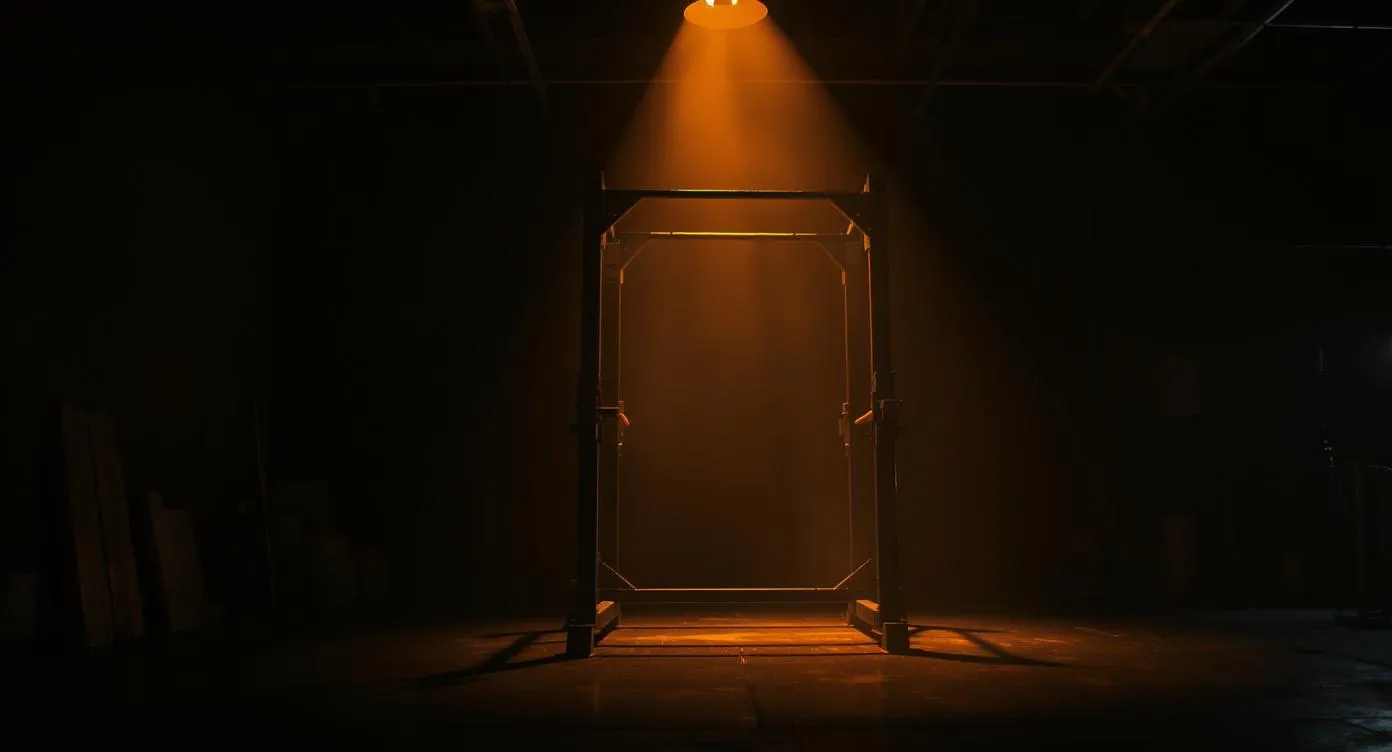
How to Choose a Power Rack: Complete Buyer's Guide (2026)
Everything you need to know before buying a power rack for your home gym. Weight capacity, steel gauge, footprint, attachments, and more.
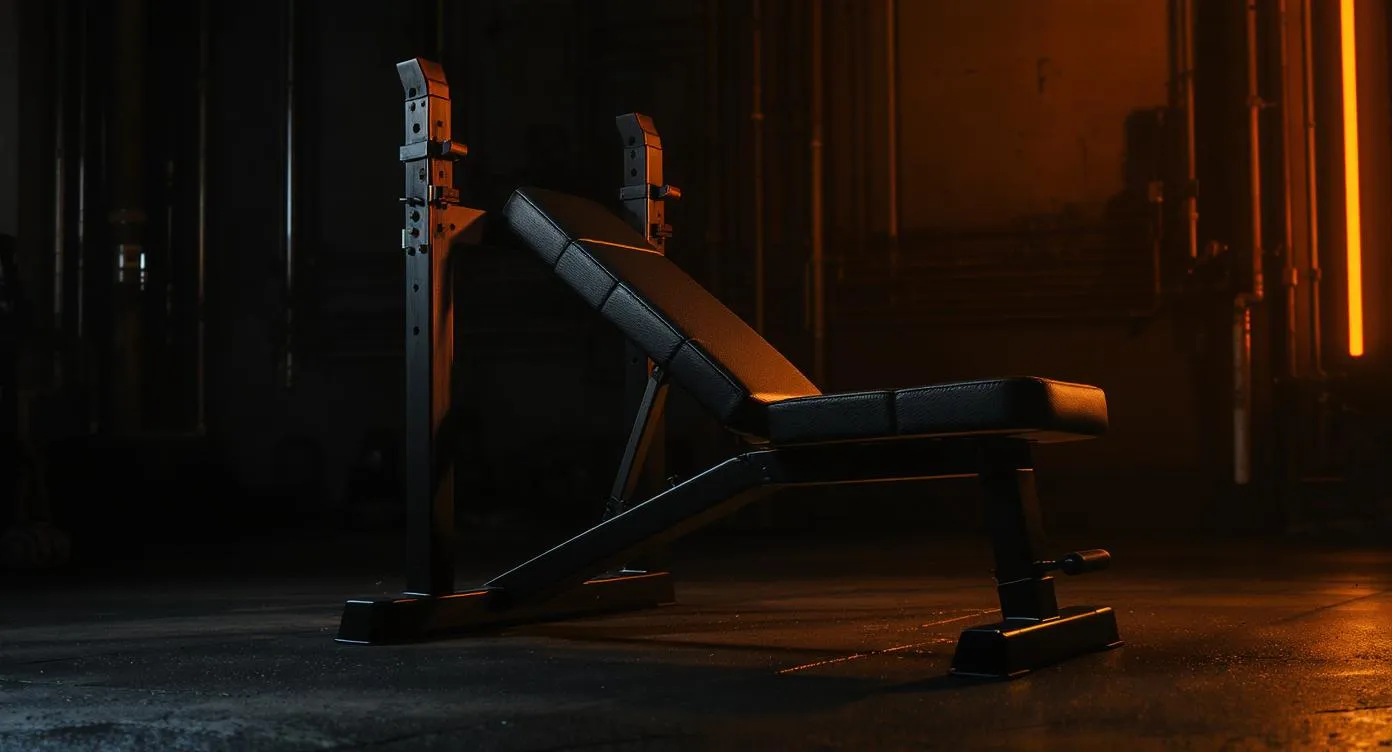
How to Choose a Weight Bench: Complete Buyer's Guide (2026)
Everything you need to know before buying a weight bench. Adjustable vs flat, pad width, weight capacity, stability — all explained.
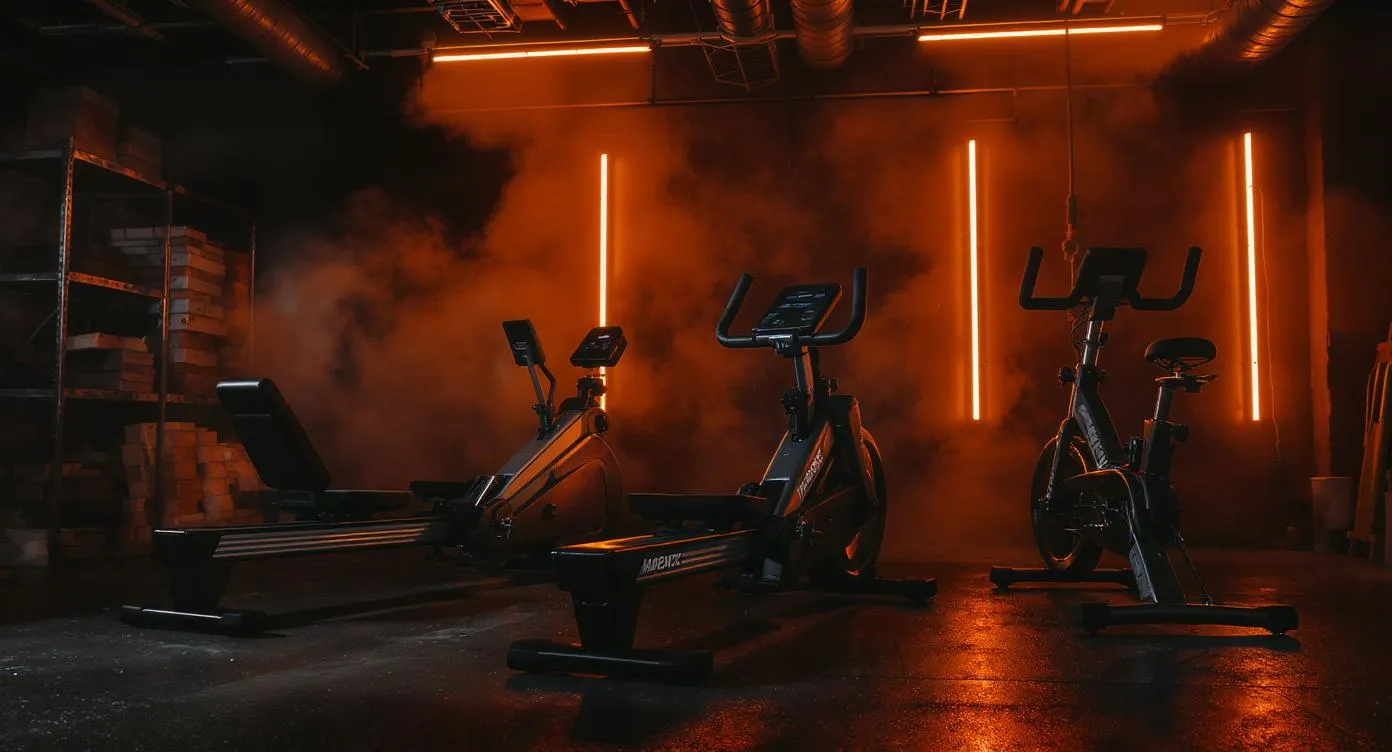
How to Choose a Cardio Machine for Home: Buyer's Guide (2026)
How to choose the right cardio machine for your home gym. Treadmills, rowers, bikes, and ellipticals compared with pros, cons, and recommendations.
How to Choose a Barbell: Complete Buyer's Guide (2026)
Everything you need to know before buying an Olympic barbell. Tensile strength, sleeves, knurling, whip, finish — all explained in plain English.
The Ultimate Beginner's Home Gym Guide (2026)
Complete beginner's guide to building your first home gym. Equipment, space, budget, safety, and a full 12-week training program. Everything in one place.

How to Choose a Pull-Up Bar: Complete Buyer's Guide (2026)
Everything you need to know before buying a pull-up bar. Doorway, wall-mounted, ceiling-mounted, and free-standing options compared.

How to Choose Weight Plates: Complete Buyer's Guide (2026)
Everything you need to know before buying weight plates. Cast iron vs bumper plates, Olympic vs standard, weight progression, and more.
How to Choose a Kettlebell: Complete Buyer's Guide (2026)
Everything you need to know before buying kettlebells. Cast iron vs competition, weight ranges, handle style, and our top picks.

How to Build a Garage Gym: The Complete Beginner's Guide
Everything you need to know about building a garage gym from scratch. Space planning, equipment priority, flooring, ventilation, and common mistakes.
How to Choose Adjustable Dumbbells: Complete Buyer's Guide (2026)
Everything you need to know before buying adjustable dumbbells. Weight range, change mechanism, drop safety, and our recommendations for every lifter.
How to Choose Home Gym Flooring: Complete Buyer's Guide (2026)
Everything you need to know about home gym flooring. Rubber mats, tiles, rolled rubber, foam — which is right for your garage gym?