Home Gym Nutrition Basics: What to Eat for Your Training Goals
Simple, practical nutrition guidelines for home gym lifters. Protein intake, meal timing, supplements that actually work, and what to skip.
You can own the best power rack, barbell, and plates money can buy, but without dialing in your nutrition, you will never unlock the results your training deserves. The difference between someone who looks the same year after year and someone who steadily gains strength and muscle almost always comes down to what happens in the kitchen. The good news: nutrition for home gym athletes is not complicated once you understand the fundamentals and apply them consistently.
This guide covers everything you need — from macronutrient targets and calorie management to evidence-based supplements, meal timing, hydration protocols, and practical meal prep strategies. Whether you are chasing a 405-pound deadlift, trying to lose 20 pounds of body fat, or simply want more energy for your early-morning garage sessions, these principles apply.
Why Nutrition Matters More at Home
When you train at a commercial gym, the social environment creates external accountability. At home, you are your own coach, training partner, and nutritionist. That autonomy is powerful — but it also means poor recovery from bad eating habits hits harder because nobody is watching you skip meals or grab junk food between sets.
Home gym athletes also tend to train with higher frequency because the barrier to entry is walking into your garage. If you are squatting four days a week in your power rack, your recovery demands are substantial. Nutrition is how you meet those demands.

CAP Barbell 300-Pound Olympic Set (Includes 7 Feet Bar)
Capacity
300 lbs total (255 lbs plates + 45 lb bar)
Steel
Cast Iron Plates / Chrome Bar
Footprint
7ft Olympic Bar (28mm shaft)
Price
$499.99
- 4.5+ star rating with 8,000+ reviews
- Complete barbell + plate set in one purchase
- Standard Olympic 2" sleeves fit all racks
- Includes: 2x45, 2x35, 2x25, 2x10, 4x5, 2x2.5 lb plates
- Cast iron plates are durable and accurate
- Best value starter weight set available
- Bar is entry-level (bushing sleeves, mild knurling)
- Plates are not calibrated for competition use
- No bumper plates — not safe to drop on concrete
- Chrome plating on bar chips over time
Price and availability may change
The Three Pillars of Training Nutrition
Pillar 1: Protein — The Non-Negotiable Macronutrient
Protein provides the amino acids your body uses to repair damaged muscle fibers and synthesize new tissue. Without adequate protein, your training stimulus is partially wasted — you break muscle down in the gym but do not provide the raw materials to build it back stronger.
Daily protein targets by goal:
| Goal | Protein Intake (per lb bodyweight) | Example: 180 lb lifter |
|---|---|---|
| Fat loss (caloric deficit) | 1.0–1.2 g/lb | 180–216 g/day |
| Muscle gain (caloric surplus) | 0.8–1.0 g/lb | 144–180 g/day |
| Maintenance / recomp | 0.8–1.0 g/lb | 144–180 g/day |
Note that protein targets are slightly higher during a cut. This is intentional — higher protein intake preserves lean mass when calories are restricted. The 2024 meta-analysis published in the British Journal of Sports Medicine confirmed that intakes up to 1.2 g/lb during a deficit improved muscle retention compared to lower protein diets.
Top protein sources for home gym athletes:
- Chicken breast — 31 g protein per 4 oz serving, extremely lean
- Ground turkey (93% lean) — 22 g per 4 oz, versatile for meal prep
- Whole eggs — 6 g each, excellent amino acid profile plus healthy fats
- Greek yogurt (plain, 0% fat) — 17 g per 170 g container (Fage Total 0%)
- Whey protein isolate — 25–30 g per scoop, fast-absorbing
- Wild-caught salmon — 25 g per 4 oz, plus omega-3 fatty acids
- Lean ground beef (90/10) — 22 g per 4 oz, rich in iron and B12
- Cottage cheese (low-fat) — 14 g per half cup, casein-dominant for slow release
Protein distribution matters. Research from the Schoenfeld lab (2018) shows that spreading protein across 4–5 meals of 30–50 grams each maximizes muscle protein synthesis compared to eating the same total in fewer, larger meals. Aim for a protein source at every meal.
Pillar 2: Calories — The Master Switch
Your calorie balance determines the direction of your body composition. No amount of clean eating overrides thermodynamics.
How to estimate your maintenance calories (TDEE):
- Multiply your bodyweight in pounds by 14–16 (use 14 if you have a desk job and train 3–4 days per week; use 16 if you are active outside the gym and train 5–6 days)
- For a 180 lb person with moderate activity: 180 × 15 = 2,700 calories/day estimated maintenance
Setting your caloric target:
| Goal | Adjustment | Weekly Weight Change Target |
|---|---|---|
| Aggressive fat loss | −500 to −750 kcal below TDEE | 1.0–1.5 lb loss/week |
| Moderate fat loss | −300 to −500 kcal below TDEE | 0.5–1.0 lb loss/week |
| Lean bulk | +200 to +300 kcal above TDEE | 0.5–1.0 lb gain/month |
| Aggressive bulk | +400 to +500 kcal above TDEE | 1.0–1.5 lb gain/month |
Tracking protocol: Weigh yourself daily at the same time (morning, after using the bathroom, before eating) and average your weight across the week. Compare weekly averages, not daily fluctuations. If your weekly average is not moving in the desired direction after two weeks, adjust by 200 calories.
Pillar 3: Consistency Over Perfection
The single biggest predictor of nutrition success is adherence over time. A diet that is 80% optimal but followed for 12 months will produce dramatically better results than a "perfect" plan abandoned after three weeks.
Practical consistency strategies:
- Eat the same breakfast and lunch most days (reduce decision fatigue)
- Allow 10–20% of daily calories from foods you enjoy regardless of their "health" status
- Track protein daily but only count total calories 5 days out of 7 if full tracking feels burdensome
- Build a rotation of 5–7 dinners you enjoy and can cook in under 30 minutes
Supplements That Actually Work (and Those That Don't)
The supplement industry generates over $50 billion annually by selling hope. Most products are overpriced, under-dosed, or completely ineffective. Here is what the peer-reviewed research actually supports.
Tier 1: Strong Evidence (Buy These)
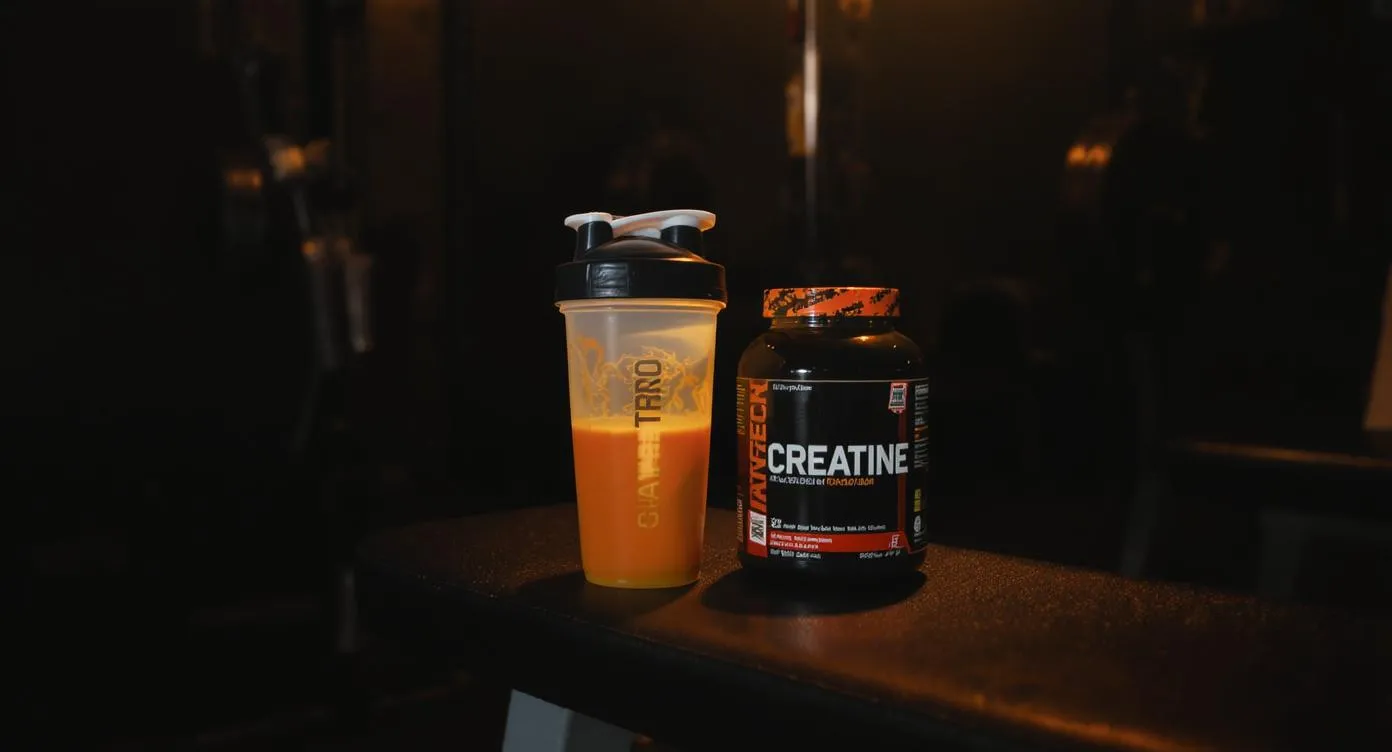
Creatine Monohydrate — Cost: $0.03–0.05 per serving (~$12–15/month)
- The single most researched sports supplement in history with over 700 peer-reviewed studies
- Take 5 g daily, every day, indefinitely — no loading phase required, no cycling needed
- Increases phosphocreatine stores, improving performance on sets of 1–10 reps
- Expect 5–10% strength increase and 2–4 lbs of water weight gain in the first two weeks
- Brand recommendation: Creapure-sourced monohydrate (NOW Sports, Thorne, or bulk from Nutricost)
Whey Protein Isolate — Cost: $0.80–1.50 per serving (~$30–50/month)
- Not magic — simply a convenient, fast-digesting protein source
- Use when whole food meals are impractical (immediately post-workout, as a snack, or mixed into oatmeal)
- Look for products with 25+ g protein per scoop, under 3 g carbs, and third-party tested (NSF or Informed Sport certified)
- Top picks: Optimum Nutrition Gold Standard Isolate, Dymatize ISO100, MyProtein Impact Whey Isolate
Caffeine — Cost: $0–10/month
- Improves training performance by 3–5% across strength, power, and endurance metrics
- Effective dose: 3–6 mg per kg of bodyweight, consumed 30–60 minutes pre-training
- For a 180 lb (82 kg) person: 250–490 mg (roughly 2–4 cups of coffee)
- Build tolerance slowly if you are caffeine-naive — start at 100–150 mg
Tier 2: Situationally Useful
- Vitamin D3 ($8–12/month) — essential if you train in a garage gym with limited sun exposure. Target 3,000–5,000 IU daily. Get blood levels tested annually; optimal range is 40–60 ng/mL.
- Omega-3 fish oil ($12–20/month) — 2–3 g combined EPA/DHA daily. Supports joint health and reduces training-induced inflammation. Particularly valuable for lifters over 35.
- Magnesium glycinate ($10–15/month) — 300–400 mg before bed. Improves sleep quality in those who are deficient (most athletes are). Better sleep means better recovery.
- Electrolytes ($5–15/month) — critical for garage gym athletes training in hot environments during summer. Look for products with 1,000+ mg sodium, 200+ mg potassium per serving. See our summer cooling guide for heat training strategies.
Tier 3: Save Your Money
- BCAAs — completely redundant if you eat adequate protein (0.8+ g/lb). You are literally paying for amino acids already present in any complete protein source.
- Pre-workout blends — you are paying $1.50 per serving for caffeine ($0.05 worth), beta-alanine (causes tingling but minimal performance benefit at typical doses), and artificial flavoring. Buy caffeine pills or drink coffee.
- Mass gainers — 1,200 calories of maltodextrin and whey protein for $4 per serving. Make your own: blend oats, whey, peanut butter, banana, and milk for $1.50 with better ingredients.
- Testosterone boosters — zero evidence any OTC product meaningfully raises testosterone. D-aspartic acid, tribulus, fenugreek — none produce measurable muscle-building effects.
- Fat burners — the active ingredient is always caffeine (plus maybe green tea extract). The thermogenic effect is 50-100 calories per day at best. A 15-minute walk burns more.
- Glutamine — your body produces sufficient glutamine unless you are critically ill or severely burned. Supplementation shows no benefit for healthy, well-fed athletes.
Pre-Workout Nutrition: Fueling Your Training Session
What you eat before training directly impacts your performance under the bar. A properly fueled session means more weight, more reps, and more total training volume — which drives long-term progress.
The ideal pre-workout meal (consumed 1.5–2.5 hours before training):
- 30–50 g protein (chicken, fish, eggs, or a shake)
- 40–80 g carbohydrates (rice, oats, potatoes, bread, or fruit)
- 10–20 g fat (naturally occurring in your protein source is fine)
- Total: 400–700 calories depending on your size and goals
Example pre-workout meals:
- 6 oz chicken breast + 1 cup white rice + steamed vegetables (520 calories, 45 g protein, 55 g carbs)
- 1 cup oatmeal + 1 scoop whey protein + 1 banana + 1 tbsp peanut butter (510 calories, 38 g protein, 65 g carbs)
- 3 whole eggs + 2 slices sourdough toast + 1 cup fruit (480 calories, 28 g protein, 50 g carbs)
Early morning training (less than 60 minutes after waking):
If you train at 5:00 or 6:00 AM and cannot eat a full meal that early, use a smaller, fast-digesting option 20–30 minutes before:
- 1 banana + 1 scoop whey protein in water (220 calories)
- 2 rice cakes + 2 tbsp peanut butter (260 calories)
- 8 oz fruit juice + 1 scoop whey (280 calories)
Fasted training: Physiologically acceptable but suboptimal. Research — including Aird et al. (2018) in the British Journal of Nutrition — shows a 10–15% reduction in total training volume when training fully fasted versus fed. If you prefer fasting, at minimum consume 10 g of essential amino acids (EAAs) 15 minutes before training to protect against muscle breakdown.
Post-Workout Nutrition: The Recovery Window
The post-workout "anabolic window" is real but far wider than supplement companies claim. You do not need to inhale a protein shake within 30 seconds of your last rep. However, eating within 1–2 hours of training does optimize muscle protein synthesis.
Ideal post-workout meal:
- 30–50 g protein (fast-digesting sources slightly preferred: whey, eggs, chicken)
- 50–100 g carbohydrates (replenish glycogen stores — this matters if you train again within 24 hours)
- Moderate fat is fine (does not meaningfully slow protein absorption despite old claims)
Post-workout examples:
- Protein shake (2 scoops whey) + 1 large banana + 2 tbsp honey (480 calories, 50 g protein, 75 g carbs)
- 8 oz grilled chicken + 1.5 cups white rice + teriyaki sauce (620 calories, 52 g protein, 70 g carbs)
- 4 whole eggs + 3 slices toast + 1 cup orange juice (540 calories, 32 g protein, 55 g carbs)
Key principle: Your post-workout meal matters most when your pre-workout meal was small or absent. If you ate a solid meal 2 hours before training, the urgency of post-workout nutrition decreases because amino acids from that earlier meal are still circulating.
Hydration Protocol for Garage Gym Athletes
Dehydration of just 2% bodyweight reduces strength output by 5–10% and endurance capacity by up to 20%. Home gym athletes training in garages face additional hydration challenges — especially during summer when ambient temperatures in an uninsulated garage can exceed 100°F.
Daily hydration baseline:
- Minimum: 0.5 oz per pound of bodyweight (a 180 lb person: 90 oz or about 2.7 liters)
- Training days: Add 16–24 oz per hour of training
- Hot environment training: Add an additional 8–16 oz per hour plus electrolytes
Hydration timing for training:
- 16–20 oz of water 2 hours before training
- 8 oz immediately before starting
- 4–8 oz every 15–20 minutes during training
- 16–24 oz after training (until urine returns to pale yellow)
Electrolyte needs: When you sweat heavily (garage gym in summer, high-volume sessions exceeding 75 minutes), water alone is insufficient. You lose 500–1,500 mg of sodium per liter of sweat. Replenish with an electrolyte drink or add a quarter teaspoon of salt to your water bottle.
Signs of dehydration to watch for:
- Dark yellow or amber-colored urine
- Headache or lightheadedness between sets
- Reduced grip strength or unexpected performance drops
- Muscle cramping (especially in calves and hamstrings)
- Elevated resting heart rate
Nutrition Programming by Training Goal
Your nutrition should align with your current training phase. Here is how to structure your eating for common home gym goals.
Goal: Strength (Powerlifting / Barbell Training)
If your home gym programming focuses on compound lifts with progressive overload, nutrition should support recovery from heavy loads.
- Calories: Maintenance to slight surplus (+100 to +300 kcal). Gaining strength at maintenance is possible for intermediate lifters.
- Protein: 0.8–1.0 g/lb bodyweight
- Carbs: 1.5–2.5 g/lb bodyweight (carbs fuel glycolytic work — heavy sets of 3–5 demand glycogen)
- Fat: Fill remaining calories (typically 0.3–0.5 g/lb)
- Timing emphasis: Larger carb portions in the meals surrounding training (pre and post)
Goal: Hypertrophy (Bodybuilding / Muscle Growth)
Training for muscle size in your bodybuilding home gym setup requires a sustained caloric surplus and high training volume.
- Calories: +200 to +400 kcal above maintenance (lean bulk) for minimum fat gain
- Protein: 0.8–1.0 g/lb bodyweight (higher does not add benefit in a surplus)
- Carbs: 2.0–3.0 g/lb bodyweight (high-volume training demands more glycogen)
- Fat: 0.3–0.5 g/lb bodyweight (enough for hormonal health)
- Timing emphasis: Protein distributed across 4–5 feedings of 30–40 g each; carbs concentrated around training
Goal: Fat Loss While Preserving Muscle
- Calories: −400 to −600 kcal below maintenance (moderate deficit preserves more muscle than aggressive cuts)
- Protein: 1.0–1.2 g/lb bodyweight (elevated to prevent muscle loss)
- Carbs: 0.8–1.5 g/lb bodyweight (reduce carbs first, not protein or fat)
- Fat: 0.3–0.4 g/lb bodyweight minimum (below this, hormonal function suffers)
- Timing emphasis: Place majority of carbs in the pre and post-workout meals; keep other meals protein + fat + vegetables
Goal: General Fitness / Longevity
For home gym athletes training 3–4 days per week with a mix of strength and conditioning using accessories and essentials:
- Calories: Eat at maintenance (adjust based on body composition goals)
- Protein: 0.7–0.8 g/lb bodyweight (sufficient for recreational lifters)
- Carbs and fat: Flexible based on preference — some people thrive on higher carbs, others prefer higher fat
- Focus: Whole foods, adequate fruits and vegetables (5+ servings daily), consistent eating schedule
Weekly Meal Prep System for Home Gym Athletes
Meal prep is the single highest-leverage nutrition habit. Two hours of cooking on Sunday eliminates five days of decision-making and dramatically reduces the chance of poor food choices.
The Sunday Prep Protocol:
Equipment Checklist
8 itemsEstimated weekly food cost for this prep: $65–90 for a single adult eating 2,500–3,000 calories per day from primarily whole food sources. This is significantly cheaper than eating out and gives you complete control over macros.
Batch cooking tips:
- Season protein differently (taco seasoning, Italian herbs, teriyaki) to prevent flavor fatigue
- Cooked chicken and rice last 4–5 days refrigerated; freeze half if prepping for a full week
- Invest in a kitchen scale ($15–20) — eyeballing portions leads to 20–40% calorie counting errors
- Cook rice in a rice cooker for completely hands-off preparation while you prep other items
Common Nutrition Mistakes Home Gym Athletes Make
Mistake 1: Undereating protein on rest days. Muscle protein synthesis remains elevated for 24–72 hours after training. Your rest days are when repair happens — protein intake should remain the same, not decrease.
Mistake 2: Dramatic calorie swings. Eating 1,800 calories Monday through Friday then 4,000+ on weekends completely erases your deficit. Consistency across all seven days matters.
Mistake 3: Neglecting carbohydrates. Low-carb diets are trendy but suboptimal for strength training. Glycogen fuels heavy lifting — chronically depleted glycogen stores mean weaker sessions and less progressive overload.
Mistake 4: Relying on supplements before food. No stack of supplements will compensate for a poor diet. Get protein from whole food first, hit your calorie target, then consider supplements as the final 5% optimization.
Mistake 5: Ignoring fiber and micronutrients. Eating only chicken, rice, and protein shakes leaves you deficient in fiber, vitamins, and minerals. Include 25–35 g of fiber daily from vegetables, fruits, and whole grains. Your digestion, energy, and long-term health depend on it.
Nutrition Tracking Tools and Methods
For precise tracking (recommended for the first 3 months):
- MyFitnessPal (free tier) or MacroFactor ($6/month) — scan barcodes, build custom meals, track macros
- Kitchen food scale — weigh protein sources and calorie-dense foods (nuts, oils, cheese) for accuracy
- Weekly weigh-in spreadsheet — track 7-day averages to identify true trends versus water fluctuation
For intuitive eating (after you have developed portion awareness):
- Use your palm as a protein portion guide (1 palm = ~25–30 g protein)
- Use your cupped hand for carb portions (1 cupped hand = ~30–40 g carbs)
- Use your thumb for fat portions (1 thumb = ~8–10 g fat)
- Eat protein and vegetables at every meal; adjust carbs and fats based on hunger and energy levels
The Bottom Line
Nutrition for home gym athletes comes down to three actionable priorities: eat enough protein (0.8–1.2 g per pound of bodyweight depending on your goal), manage your caloric intake based on whether you want to gain, lose, or maintain, and do this consistently for months and years rather than weeks. Add creatine monohydrate (5 g daily) and stay hydrated. Everything beyond these fundamentals accounts for less than 10% of your results.
Do not let analysis paralysis prevent you from training hard. Start with one habit — hitting your protein target daily — and build from there. The best nutrition plan is the one you actually follow every day, not the theoretically optimal plan you abandon after two weeks.
Frequently Asked Questions
How much protein do I need per day to build muscle in my home gym?
Do I need protein shakes to build muscle?
Should I eat before or after my home gym workout?
Is creatine monohydrate safe to take every day?
How many calories should I eat to build muscle without gaining too much fat?
Can I build muscle while losing fat simultaneously?
What should I eat if I train at 5 AM in my garage gym?
How much water should I drink when training in a hot garage gym?
Additional Resources
Related Content
Lena Park
Former NCAA Division I rower and USA Weightlifting coach. Specializes in conditioning equipment and women's training.
Read full bioMore in Guides
Strength vs Hypertrophy: How to Program for Your Goals (2026)
The definitive guide to programming for strength vs size in your home gym. Rep ranges, volume, intensity, and complete programs for both goals.
The Complete Home Gym Warm-Up Guide (2026)
Stop skipping your warm-up. Complete warm-up protocols for every training style, plus the equipment that makes preparation effortless at home.
Home Gym Deload Guide: When and How to Back Off (2026)
Learn when and how to deload in your home gym. Science-backed protocols, recovery strategies, and signs you need a rest week.