MMA & Combat Sports
Home gym setups for fighters, boxers, and combat athletes.
MMA & Combat Sports at Home
Combat athletes need a different home gym than powerlifters or bodybuilders. You're not trying to bench 405 — you're trying to build the conditioning, explosive power, awkward strength, and grip endurance that translates to fighting. The equipment list looks nothing like a commercial gym.
The good news: most combat sports gear is dirt cheap. A complete MMA home gym runs about $1,000.

RUNFast 40lbs Pro Weighted Vest
Capacity
40 lbs
Steel
Heavy-Duty Nylon / Iron Plates
Footprint
One-size adjustable, fits most adults
Price
$51.04
- 4.5+ star rating on Amazon with 9,000+ reviews
- Adjustable from 12 to 40 lbs in 2 lb increments
- Heavy-duty nylon construction lasts years
- Comfortable shoulder padding
- Adjustable straps fit most body sizes
- Doubles as conditioning and ruck training tool
- Iron weight plates are loud against each other
- 40 lb max isn't enough for advanced athletes
- Sizing can run small for very large users
- Sweat absorbs into nylon over time
Price and availability may change

Yes4All Slam Balls, 10-40lb Weighted PVC Sand Filled Workout Ball
Capacity
10-40 lbs options
Steel
Durable PVC / Sand Fill
Footprint
9-13 inch diameter
Price
$35.99
- 4.7+ star rating on Amazon with 15,000+ reviews
- Heavy-duty PVC outer shell resists tears
- Sand fill prevents bouncing
- Available from 10-50 lbs
- Great for HIIT and conditioning
- Best value slam ball on Amazon
- Stitching can wear over years of heavy use
- Surface can crack on rough concrete
- No grip texture (gets slippery with sweat)
Price and availability may change
What Combat Athletes Actually Need
Six tools cover 95% of combat sports training:
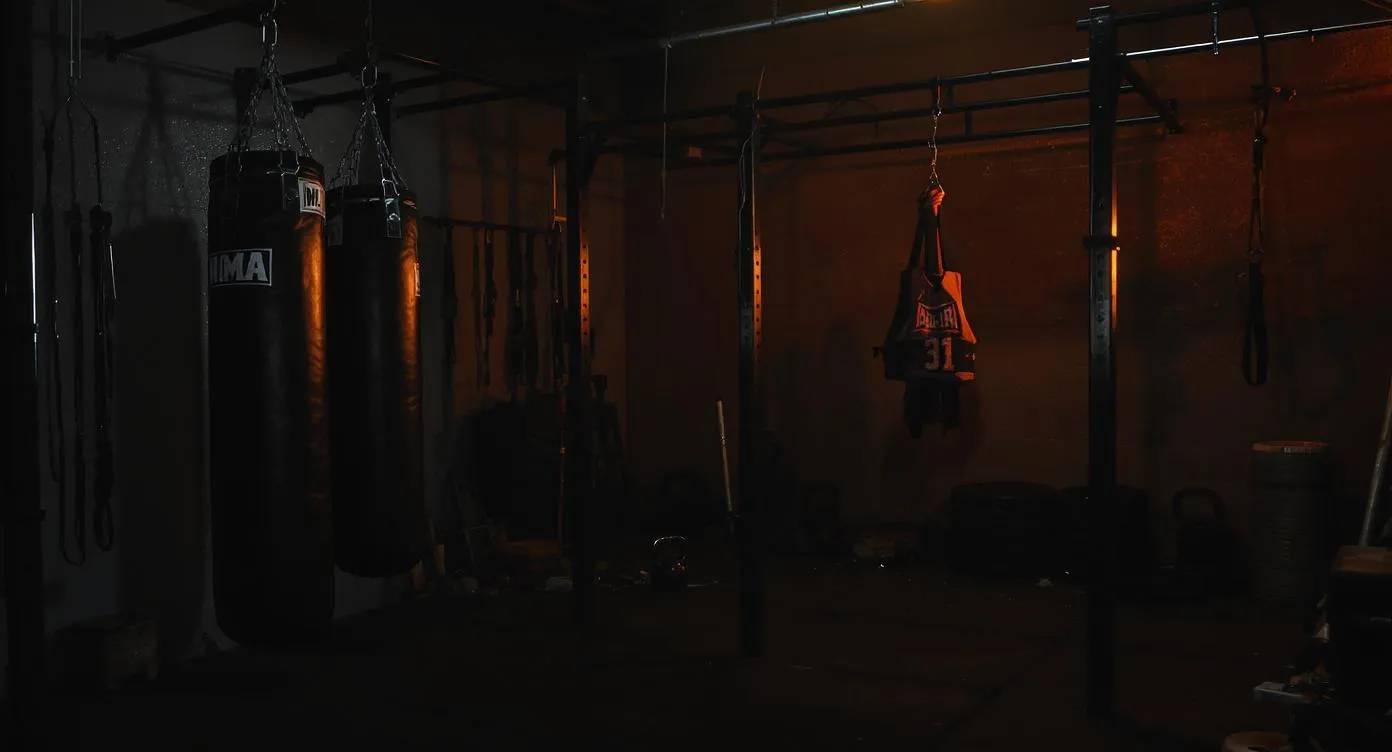
- Heavy bag (70-100 lbs) — the single most important purchase. Hanging or freestanding both work; freestanding is apartment-friendly.
- Kettlebells — for swings, snatches, get-ups, and grip-destroying complexes. Start with one 35 lb (men) or 18 lb (women) bell.
- Sandbag — awkward, shifting load that builds the real-world strength fighters need.
- Weight vest — turns walks into rucks, push-ups into hard work, pull-ups into next-level resistance.
- Speed jump rope — boxing footwork standard. WOD Nation is $15.
- Pull-up bar — for grip and pulling strength.
Optional but high-value: gymnastic rings, a foam roller for recovery, hand wraps, and a pair of cheap boxing gloves.
For the complete tested-and-priced build, see our MMA fighter home gym build ($1,000 total).
Why Combat Athletes Don't Need a Power Rack
Most fighters don't benefit from heavy back squats or bench press. The strength patterns that translate to combat are:
- Explosive triple extension — kettlebell swings, snatches, cleans
- Awkward strength — sandbag carries, bear-hug squats, sandbag cleans
- Grip endurance — farmer's walks, dead hangs, ring work
- Conditioning — heavy bag rounds, jump rope intervals, burpee complexes
- Recovery capacity — foam rolling, mobility, low-intensity zone 2 work
A power rack is a luxury upgrade for combat athletes, not a foundation. Spend the rack money on a heavy bag, kettlebells, and a sandbag instead.
The Boxing-Specific Subset
If you're focused on striking (boxing, kickboxing, Muay Thai) rather than full MMA, your priorities shift slightly. Read our home gym for boxing guide for the full breakdown.
The boxing-focused list:
- Heavy bag (essential)
- Speed bag (optional, skill tool)
- Double-end bag (optional, accuracy tool)
- Hand wraps + gloves (essential)
- Jump rope (essential)
- Resistance bands for shadow work
Conditioning for Fighters: The Energy System Approach
Combat sports are unique because they demand all three energy systems simultaneously:
Phosphagen system (0-10 seconds): Explosive takedowns, power punches, scrambles. Trained with short, max-effort bursts — slam ball throws, sprint intervals, heavy kettlebell swings. Rest 60-90 seconds between efforts.
Glycolytic system (10 seconds - 2 minutes): Sustained grappling exchanges, flurry combinations, clinch work. Trained with moderate-duration, high-intensity intervals — 30-second assault bike sprints, 1-minute heavy bag rounds, burpee clusters. Rest equals work time.
Aerobic system (2+ minutes): Recovery between rounds, sustaining pace across a full fight. Trained with longer, moderate-intensity work — 20-40 minute Zone 2 sessions on the rower, easy jump rope, or walking with a weight vest. This is the most undertrained system in combat athletes and the one that separates fighters who gas in round 2 from those who push through round 5.
A balanced weekly template for fighters: 2 strength sessions (kettlebells, bodyweight, sandbag), 2 conditioning sessions (intervals + heavy bag), 1 long aerobic session (zone 2 row or weight vest walk), and 2-3 skill sessions at a real gym.
Solo Drills That Actually Transfer
You can't spar alone, but you can develop fight-ready attributes solo:
- Shadow boxing with intention — 3-minute rounds with specific goals (jab-cross only, body shots only, movement patterns). Film yourself. Watch for dropped hands, poor stance, and telegraphed movements.
- Heavy bag power development — focus on max-power singles, not volume. One punch at a time, reset stance, repeat. Power development requires full recovery between efforts.
- Footwork ladder drills — a $15 agility ladder builds the lateral movement patterns that boxing footwork demands. 10 minutes per session.
- Sandbag ground-and-pound simulation — for grapplers, picking up and slamming a 100 lb sandbag simulates the hip drive and grip demands of grappling transitions.
- Jump rope double-unders — builds the calf endurance and timing that translates to ring movement. Start with singles, progress to doubles when you can do 100 unbroken singles.
You Can't Spar Alone
The single hardest part of training combat sports at home is that you can't spar without a partner. Live training reps are non-negotiable for fight-readiness. Use your home gym for solo work (heavy bag, conditioning, strength) and supplement with 2-3 sessions per week at a real gym for sparring, technique, and live drills.
The home gym makes you fitter, stronger, and more conditioned. The real gym makes you a fighter.
Common Questions
What's the most important purchase for MMA training at home?
Do I need a power rack for MMA?
Can I learn to box from YouTube?
How loud is heavy bag training?
Guides & How-Tos(2)
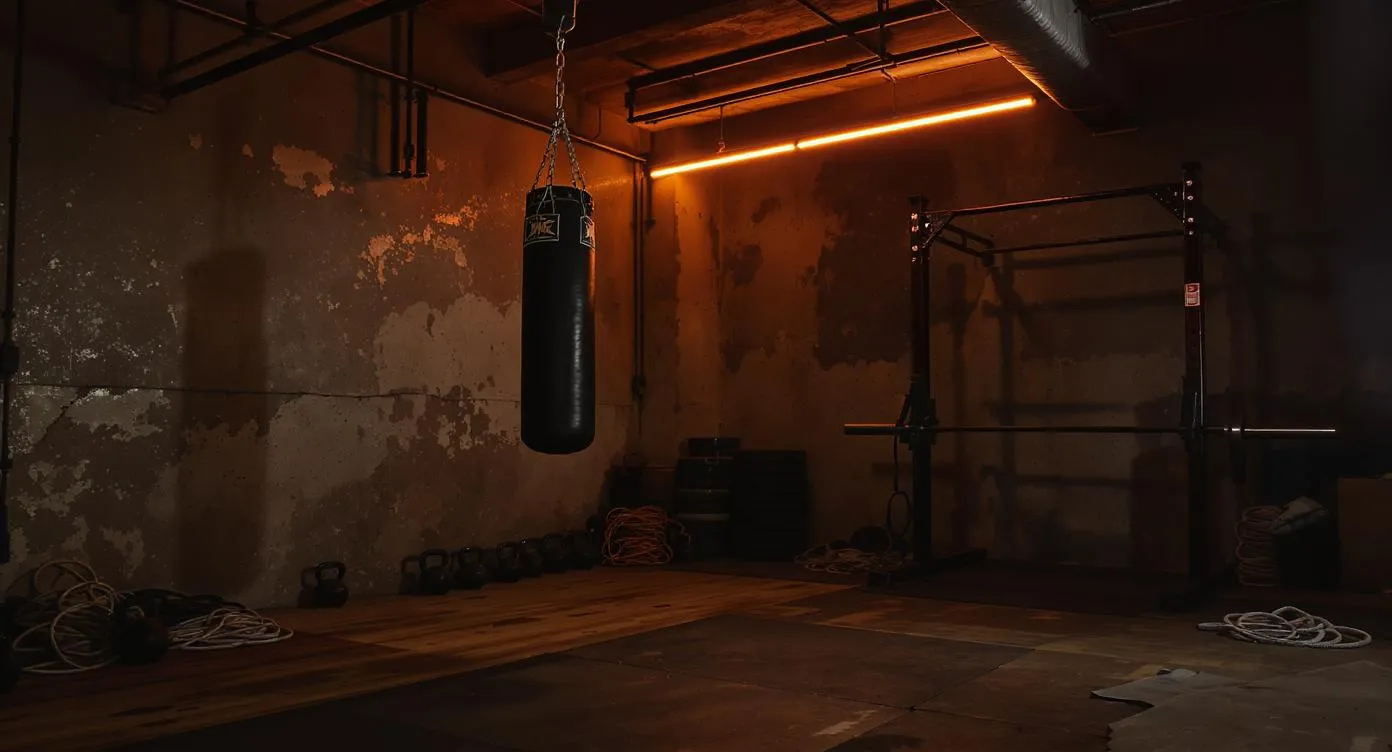
Home Gym for MMA & Combat Sports: Complete Equipment Guide
Build a complete home gym for MMA, boxing, and combat sports training. Conditioning equipment, strength training, and space-efficient gear.
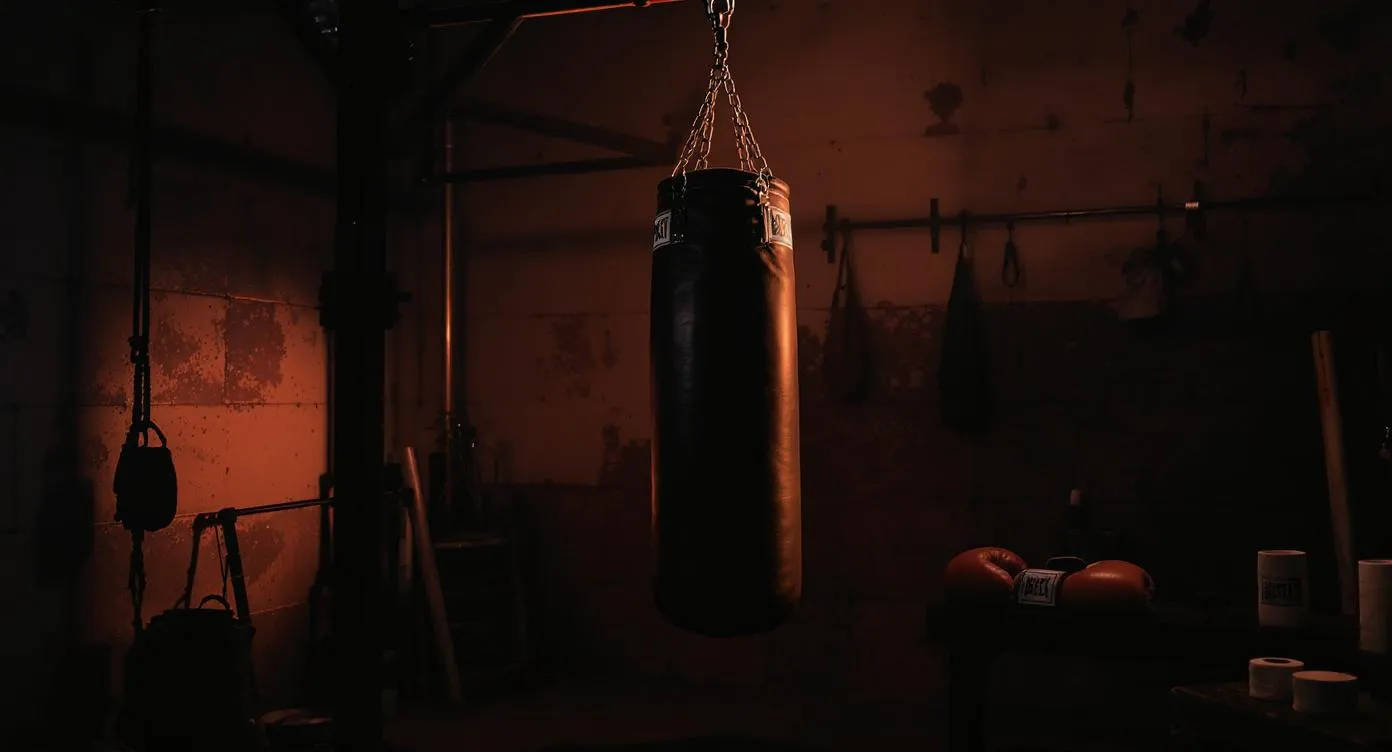
Home Gym for Boxing: Equipment & Training Guide (2026)
How to build a complete boxing gym at home. Heavy bag, gloves, jump rope, and strength training equipment for fighters and fitness boxers.
Product Reviews(2)
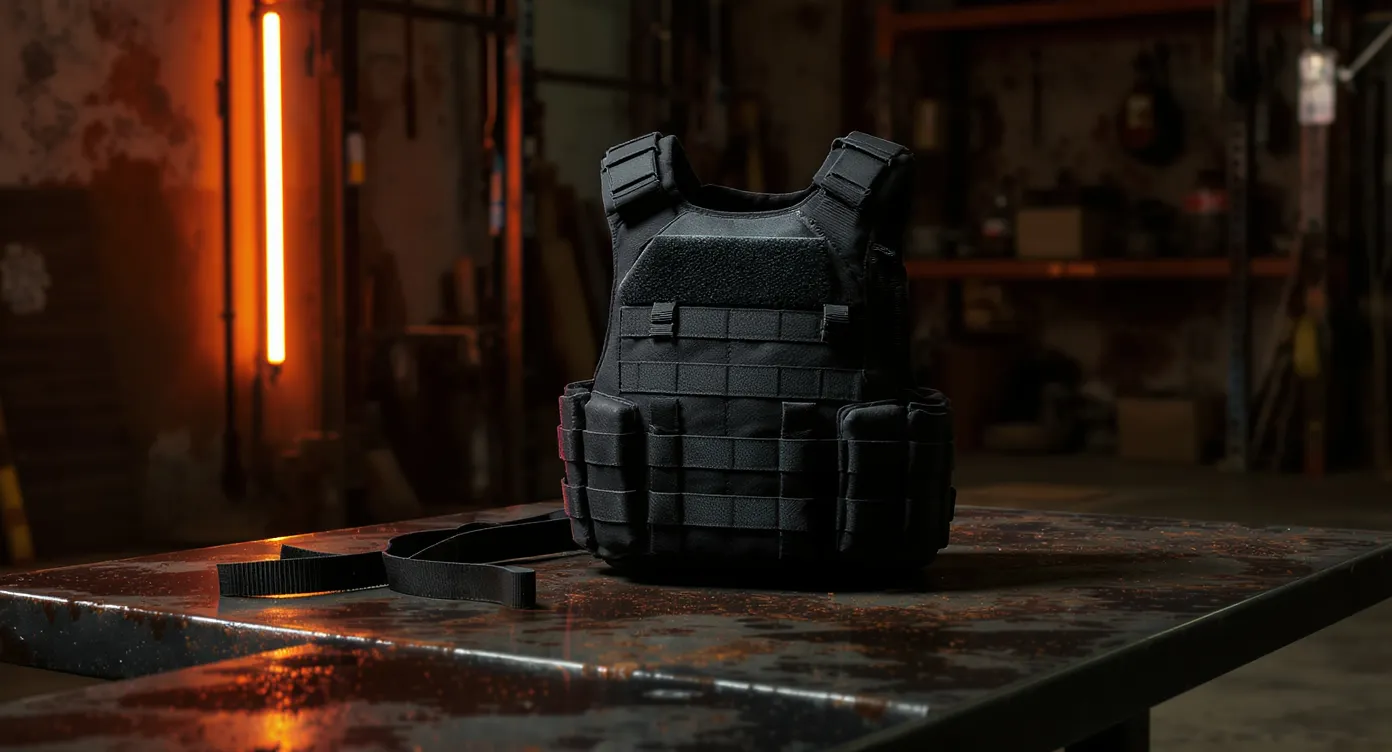
RUNFast Pro Weight Vest Review (2026): Best Budget Weight Vest
Hands-on review of the RUNFast Pro Adjustable 40 lb Weight Vest. Best budget weight vest on Amazon for rucking, conditioning, and pull-ups.
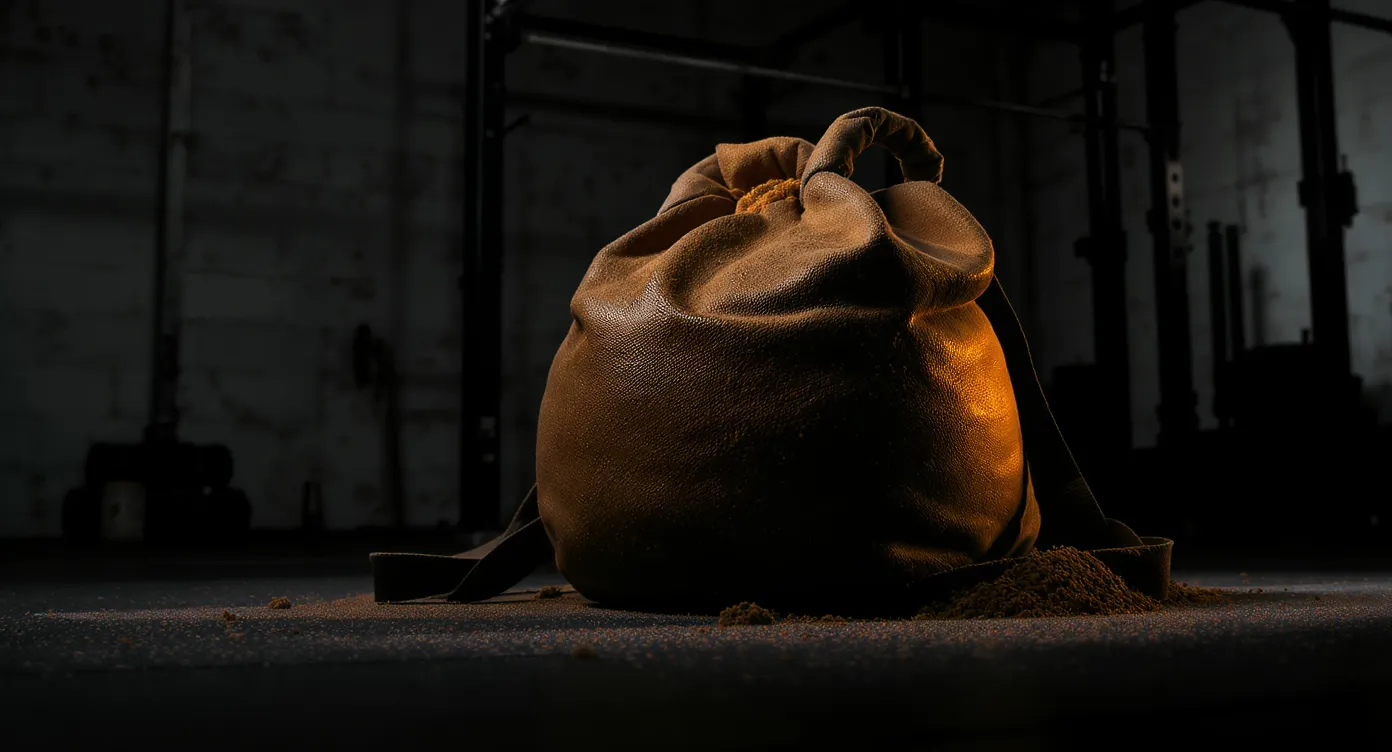
Yes4All Workout Sandbag Review (2026): The Strongman Tool Under $60
Hands-on review of the Yes4All Heavy Duty Workout Sandbag. Best budget sandbag on Amazon for strongman, conditioning, and functional training.