Safety & Setup
Flooring, anchoring, lighting, ventilation, and keeping your gym safe.
Home Gym Safety: The Boring Stuff That Saves You
Most home gym injuries aren't from heavy lifts. They're from preventable mistakes: unsecured racks, missing safety bars, bad flooring, dangerous electrical setups, and trying to train through real injuries. The skills that keep you in the gym for 30 years aren't impressive — they're boring.
This is the boring stuff that matters.
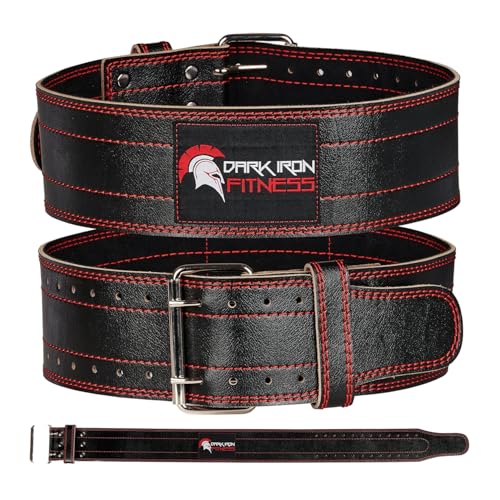
Dark Iron Fitness Genuine Leather Weightlifting Belt, 4 Inch Wide with Double Prong Buckle
Capacity
Suitable for any lifting weight
Steel
Genuine Leather / Reinforced Stitching
Footprint
4" wide leather belt with double prong buckle
Price
$59.99
- 4.6+ star rating on Amazon with 12,000+ reviews
- Genuine buffalo leather (not bonded leather)
- 5-inch wide consistent thickness
- Lifetime replacement guarantee
- Steel buckle (not flimsy plastic or cheap velcro)
- Best leather lifting belt under $100
- Stiff out of the box — needs break-in period
- Single-prong design (some prefer double-prong)
- Sizing runs small — order up one size
- Leather smell takes a week to fade
Price and availability may change

Nordic Lifting 7mm Knee Sleeves for Weightlifting & Gym (1 Pair) - Neoprene Compression Support for Squats, Powerlifting & Cross Training - USPA Approved - For Men & Women
Capacity
Supports any lifting weight
Steel
SBR Neoprene
Footprint
7mm neoprene thickness
Price
$40.99
- 4.6+ star rating on Amazon with 20,000+ reviews
- 7mm neoprene is powerlifting-standard thickness
- Sold as a pair with storage bag
- Reinforced stitching resists tearing
- Supports knees during heavy squats
- Best budget knee sleeves on Amazon
- Run small — order one size up
- Neoprene smell lasts 2-3 weeks
- Not IPF-approved for competition (use Rehband for meets)
Price and availability may change
The Five Non-Negotiables
-
Power rack with safety bars set correctly. The single most important safety feature for solo training. Set them just below your working depth on squat, just above your chest on bench. If you fail a rep, the bar rests on them instead of you. Read our garage gym safety guide.
-
Anchored or weighted rack. Tall power racks can tip during dynamic movements (kipping pull-ups, muscle-ups, hard pulls). Bolt your rack to the concrete or wood subfloor. Read our how to anchor a power rack walkthrough.
-
Quality flooring under impact zones. Bare concrete amplifies noise, eats your equipment, and is brutal on dropped weights. Horse stall mats from Tractor Supply are $55 each — don't skip them.
-
Proper electrical for cardio equipment. Treadmills, ellipticals, and rowers have electronics. A garage circuit needs a GFCI outlet, proper grounding, and ideally a dedicated 20-amp circuit. Read our garage gym electrical setup guide.
-
Phone within reach. If you train alone, keep your phone within arm's reach of the rack. If you get pinned or injured, you need to call for help immediately.
The Top Mistakes People Make
The full list is in our garage gym mistakes to avoid guide. The biggest ones:
- Squatting without safety bars
- Benching without safeties set above the chest
- Buying a wobbly rack rated for "1000 lbs" with no real testing
- Dropping the bar on bare concrete
- Training through sharp pain
- Ignoring warm-ups
- Maxing out solo with no spotter
- Loading plates unevenly (one side at a time creates tip risk)
Most home gym injuries are preventable with 30 minutes of upfront safety work. Don't skip it.
Climate and Environmental Safety
Your training environment matters as much as your equipment:
Heat management: An uninsulated garage in summer can exceed 100°F. Heat exhaustion is a real risk during extended training sessions. Solutions: a high-velocity fan ($40-80), training during cooler hours (early morning or evening), and aggressive hydration (16 oz of water per 20 minutes of training in hot conditions). Monitor for dizziness, nausea, or confusion — these are signs to stop immediately.
Cold management: Winter garage training below 40°F increases injury risk because cold muscles tear more easily. Solutions: a propane or electric space heater (keep away from equipment), extended warm-ups (15-20 minutes instead of 5-10), and wearing layers that don't restrict movement. Bare steel barbells in sub-freezing temperatures will hurt your hands — chalk helps, but gloves or wraps are sometimes necessary.
Humidity and rust: Coastal and southern climates accelerate equipment corrosion. A dehumidifier ($100-200) in a closed garage extends equipment life by years. Oil barbells weekly in humid environments instead of monthly. Chrome-coated bars resist rust better than bare steel or zinc coatings.
Carbon monoxide: If your garage gym shares space with vehicles, never run a car engine with the garage door closed while training. CO poisoning is silent and can be fatal. Install a battery-operated CO detector ($20) near the training area.
Training Solo: The Risk Mitigation Checklist
Most home gym lifters train alone. This isn't inherently dangerous, but it requires specific precautions:
- Always set safety bars before loading the rack. Make it a habit, not a choice. Even warm-up sets should have safeties in place.
- Learn the bail-out for every lift. Squat: sit back onto safety bars. Bench: roll the bar down to your hips (the "roll of shame"). Overhead press: push the bar forward away from your body. Deadlift: just drop it.
- Never use collars on bench press when solo. If you get pinned and safeties fail, you can tilt the bar to dump the plates off one side. Collars prevent this emergency exit.
- Keep your phone within arm's reach of the rack. Not across the room. Not in your pocket (you can't reach it while pinned). On the floor next to the rack, face-up.
- Tell someone you're training. A family member, a roommate, anyone. "I'm in the garage lifting for an hour" takes 5 seconds and could save your life if something goes wrong.
- Never max out alone. Save true 1RM attempts for when you have a spotter. Train at RPE 8-9 solo (1-2 reps in reserve). The difference between RPE 9 and RPE 10 isn't worth the risk.
Insurance and Liability
If you have guests training in your home gym, you have a liability exposure. Two paths:
- Homeowner's insurance addendum — most policies cover personal injury at home but verify with your carrier. Some explicitly exclude "high-risk recreational equipment."
- No-guest policy — the simplest answer. Friends and family can lift somewhere else. Your insurance, your rules.
Read our home gym insurance & liability guide for the full breakdown.
Common Questions
What's the single most important safety feature?
Do I really need to anchor my rack?
What's the minimum rack capacity I need?
Is bare concrete safe for a home gym?
Should I train alone if I'm a beginner?
Guides & How-Tos(13)
Garage Gym Ventilation & Climate Control Guide (2026)
How to keep your garage gym cool in summer and warm in winter. Complete guide to fans, heaters, insulation, and airflow.
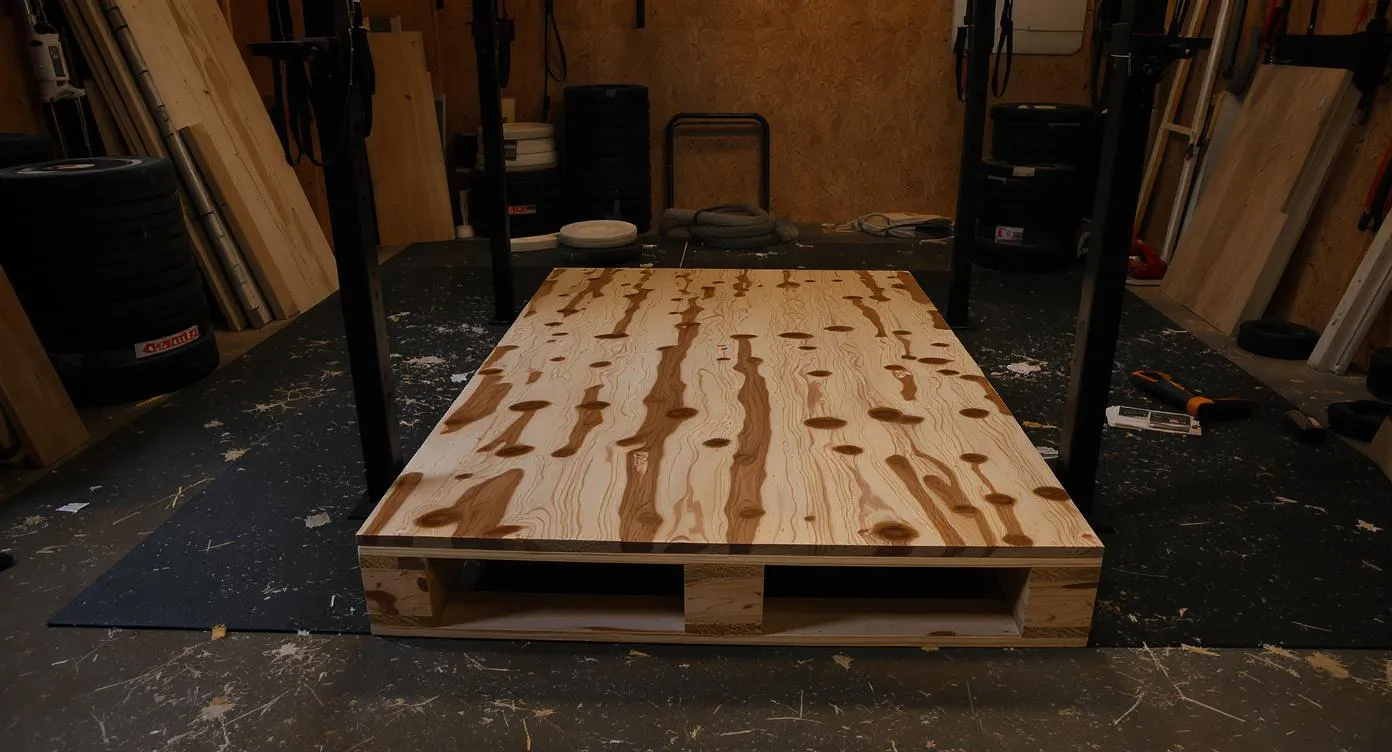
How to Build a DIY Lifting Platform (Step-by-Step Guide)
Build a sturdy, professional lifting platform for under $200. Complete step-by-step guide with materials list, tools needed, and construction photos.
How to Anchor a Power Rack: Concrete & Wood Floor Guide (2026)
Step-by-step guide to anchoring your power rack to concrete or wood subfloor. Tools, hardware, and safety considerations.
Garage Gym Electrical & Power Setup Guide (2026)
How to set up electrical power in your garage gym. Outlets, dedicated circuits, extension cords, and what equipment needs what power.
12 Garage Gym Mistakes That Waste Your Money (And How to Avoid Them)
The most common and expensive mistakes people make when building a garage gym. Learn from our failures so you don't repeat them.

Garage Gym Summer Cooling: Train Through the Heat (2026)
How to keep your garage gym cool in summer. Fans, AC, ventilation, and timing strategies for hot weather training.
Training in a Cold Garage Gym: Winter Survival Guide
How to train in your garage gym during winter. Heating strategies, cold barbell solutions, warm-up protocols, and gear to survive sub-freezing workouts.
The Complete Guide to Garage Gym Flooring (2026)
Everything you need to know about garage gym flooring. Compare rubber tiles, horse stall mats, and rolled rubber to protect your floor and equipment.
Garage Gym Lighting Guide: Best Lights for Training (2026)
How to light your garage gym properly. Best LED shop lights, placement tips, and budget-friendly setups for safe, motivating training.
How to Soundproof Your Garage Gym (Without Breaking the Bank)
Practical, budget-friendly ways to reduce noise from your garage gym. Protect your floors, your neighbors, and your marriage.
Garage Gym Safety: Essential Rules for Training Alone
How to train safely in a home gym without a spotter. Safety equipment, technique rules, and emergency protocols every solo lifter needs.
Home Gym Insurance & Liability: What You Need to Know
Does your homeowner's insurance cover a home gym? What about injuries? The legal and insurance basics every home gym owner should understand.
How to Choose Home Gym Flooring: Complete Buyer's Guide (2026)
Everything you need to know about home gym flooring. Rubber mats, tiles, rolled rubber, foam — which is right for your garage gym?
Product Reviews(3)
Titan Safety Squat Bar V2 Review: Your Shoulders Will Thank You
The Titan SSB V2 eliminates shoulder strain from squats. We tested it for 60 days against regular barbell squats. Here's whether the $180 price is worth it.
Gaiam Essentials Thick Yoga Mat (10mm) Review: Worth the Money?
Hands-on review of the Gaiam Essentials Thick Yoga Mat (10mm). Is $21.98 worth it for your home gym?
BalanceFrom Puzzle Exercise Mat (24 sq ft) Review: Worth the Money?
Hands-on review of the BalanceFrom Puzzle Exercise Mat (24 sq ft). Is $25.99 worth it for your home gym?