
How to Build a Garage Gym: The Complete Beginner's Guide
Everything you need to know about building a garage gym from scratch. Space planning, equipment priority, flooring, ventilation, and common mistakes.
GarageGymBuilders is reader-supported. We may earn a commission through links on this page. Learn more.
Building a garage gym is one of the best investments you can make in your fitness. No commute, no waiting for equipment, no monthly fees. But doing it wrong means wasted money and a space you never use.
This guide covers everything from measuring your space to making your first purchase.
Step 1: Measure Your Space
Before buying anything, measure your garage and map out the available space.
Minimum requirements:
- Power rack footprint: 4' x 4' minimum, plus 4' in front for barbell clearance
- Ceiling height: 8' minimum (9'+ preferred for pull-ups and overhead press)
- Total floor space: 100 sq ft minimum for a functional setup
If you have a single-car garage (~200 sq ft), you can build an excellent gym. A two-car garage (~400 sq ft) gives you room for everything.
Step 2: Install Flooring First
This is non-negotiable. Bare concrete will crack under dropped weights and destroy your equipment. Read our complete gym flooring guide for all the options.
Our recommendation: 3/4" horse stall mats from Tractor Supply Co. At ~$50 per 4x6 mat, they're the most cost-effective gym flooring on the planet. Check our detailed flooring options guide for full installation instructions.
Step 3: Buy Equipment in Priority Order
Don't buy everything at once. Here's the order that gives you the most training options fastest:
Tier 1: The Foundation ($500-800)
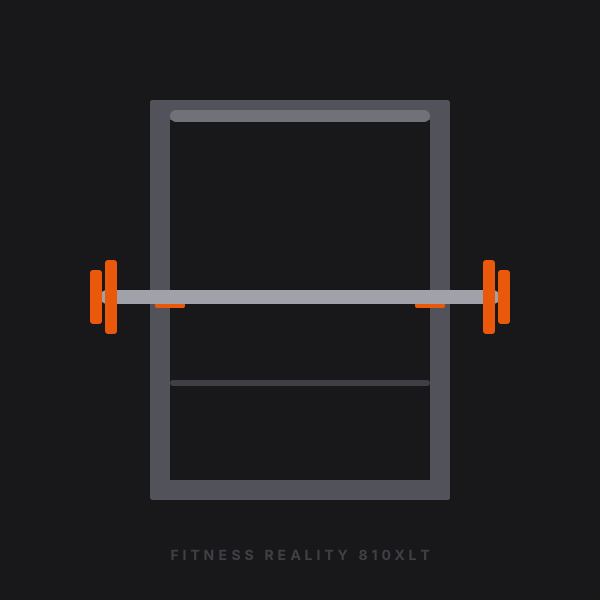
Fitness Reality 810XLT Super Max Power Cage
Capacity
800 lbs
Steel
2x2" 14-Gauge Steel
Footprint
50.5" L x 46.5" W x 83.5" H
Price
$329.99
- 4.5+ star rating on Amazon with 5,000+ reviews
- Excellent value under $350
- 800 lb weight capacity
- Includes multi-grip pull-up bar
- Standard 2x2 hole spacing for attachments
- Optional lat pulldown attachment available
- 14-gauge steel is thinner than premium racks
- Plastic J-cup liners can wear over time
- Not ideal for lifters squatting 600+ lbs
- Power rack — enables squats, bench, pull-ups safely. See best power racks under $500
- Barbell + plates — the most versatile equipment. See best Olympic weight sets
- Flooring — protects everything. See best garage gym flooring
Tier 2: Expand Your Training ($300-500)
- Adjustable bench — unlocks incline/decline work
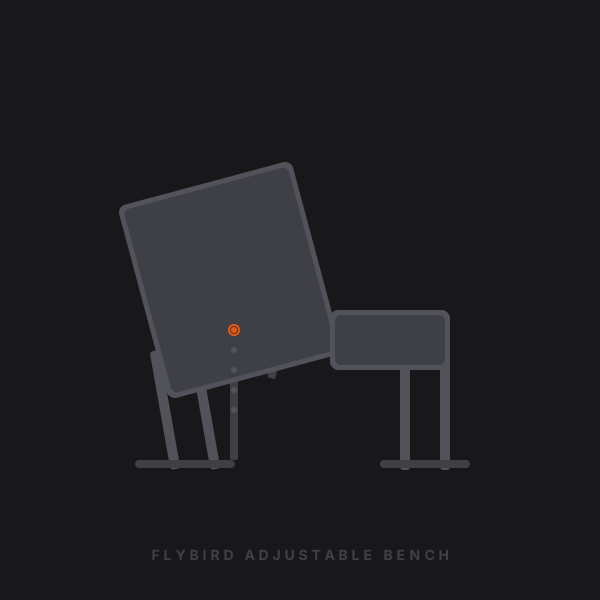
FLYBIRD Adjustable Weight Bench
Capacity
800 lbs (ASTM Certified)
Steel
Commercial-Grade Steel Frame
Footprint
48.4" L x 16.5" W x 17" H (folded)
Price
$109.99
- 4.6+ star rating on Amazon with 25,000+ reviews
- Unbeatable value under $120
- ASTM-certified 800 lb weight capacity
- 8 backrest angles (90° to -30° FID)
- Folds flat for easy storage in small spaces
- Quick 10-minute assembly
- Gap between seat and backrest at steep inclines
- No decline position on some variants
- Pad is narrower (10.2") than premium benches (12")
- Feet can slide on smooth concrete without rubber mats
Read our full FLYBIRD bench review for hands-on testing details.
- Adjustable dumbbells — accessory work, isolation exercises. See best adjustable dumbbells
Tier 3: Specialize ($500+)
- Cardio equipment — rower, bike, or ski erg. See best air bikes and Concept2 vs Assault Bike comparison
- Specialty bars — trap bar, safety squat bar, curl bar
- Cable system — get a rack with built-in cable like the Mikolo F4 or Sportsroyals
Step 4: Climate Control
Garages get hot in summer and cold in winter. Plan for it. Read our complete ventilation guide and winter training guide for the details:
- Fans: A 20" box fan or wall-mounted fan is essential for summer
- Heater: A portable propane or electric heater for winter sessions
- Insulation: If you're serious, insulate the garage door — it makes the biggest difference
Step 5: Lighting
Most garage lighting is terrible for training. Add at least two 4-foot LED shop lights. Read our full garage gym lighting guide for setup tips.
Step 6: Electrical & Power
Don't forget power planning. See our garage gym electrical setup guide to avoid tripping breakers mid-session.
Common Mistakes to Avoid
- Buying cardio first — A treadmill without a rack is a coat hanger. Get the rack first.
- Skipping flooring — You'll regret it the first time you drop a deadlift.
- Overbuying accessories — Start with compounds. You don't need a calf raise machine.
- Ignoring ceiling height — Measure before you buy a tall rack.
- Not budgeting for plates — The rack is useless without weight on the bar.
Read our full 12 garage gym mistakes to avoid for the complete list.
Related Content
- Home Gym Under $500
- Home Gym Under $1,000
- Home Gym Under $2,000
- Home Gym vs Commercial Gym Cost Comparison
- Garage Gym Safety: Training Alone
- How to Organize Your Garage Gym
The Bottom Line
Start with the foundation: rack, barbell, plates, flooring. Train for 3-6 months. Then expand based on what your training actually needs, not what Instagram tells you to buy.
Gym Builder Team
Our team tests every product hands-on before recommending it. We buy the equipment with our own money and train with it daily. No sponsored reviews, no pay-to-play rankings. Meet the team →
More in Guides
Bodybuilding Home Gym Setup: Equipment & Training Guide (2026)
How to build the perfect bodybuilding home gym. Equipment priorities, essential machines, and the setup for serious muscle building.
CrossFit Home Gym Setup: Complete Equipment Guide (2026)
How to build a complete CrossFit home gym. Equipment list, budget options, and programming for garage gym CrossFit training.
Garage Gym Summer Cooling: Train Through the Heat (2026)
How to keep your garage gym cool in summer. Fans, AC, ventilation, and timing strategies for hot weather training.