How to Choose Weight Plates: Complete Buyer's Guide (2026)
Everything you need to know before buying weight plates. Cast iron vs bumper plates, Olympic vs standard, weight progression, and more.
GarageGymBuilders is reader-supported. We may earn a commission through links on this page. Learn more.
Weight plates are the most underrated purchase in a home gym. Most people obsess over the rack and barbell, then cheap out on plates. But plates are what you're actually lifting — and the wrong choice can cost you thousands over years of training.
This guide teaches you everything you need to know.
Olympic vs Standard Plates
First, the fundamental question: Olympic or standard?
Olympic Plates (2" hole)
- Fit on Olympic barbells (standard Olympic bars have 2" sleeves)
- What you want for a serious home gym
- Compatible with every Olympic barbell
- Available in every weight from 2.5 lbs to 100+ lbs
Standard Plates (1" hole)
- Fit on standard/regular barbells
- Cheap, but severely limited
- Incompatible with Olympic bars
- Smaller maximum weights
Always buy Olympic plates. Standard plates are only for toy weight sets and are not suitable for serious home gym training.
Cast Iron vs Rubber Bumper Plates
This is the most important decision. Each has distinct pros and cons.
Cast Iron Plates
Pros:
- Cheapest per pound ($0.50-1.50/lb)
- Thinner — more fit on the bar
- Extremely durable (lasts decades)
- Available everywhere (Amazon, Walmart, Tractor Supply)
- Weight accuracy improves with quality
Cons:
- LOUD when dropped
- Will crack concrete if dropped on bare floor
- Not safe to drop from overhead
- Paint can chip and rust over time
- Not suitable for Olympic lifting
Best for: Powerlifting, squats, bench press, general training. 80% of home gym users.
Rubber Bumper Plates
Pros:
- Safe to drop from overhead
- Absorb impact — better for concrete floors
- Required for Olympic lifting (cleans, snatches)
- Color-coded versions look professional
- Quieter when dropped
Cons:
- 2-4x more expensive per pound
- Thicker — fewer plates fit on the bar
- Bouncy on drops (can lead to injury if bounced back)
- Not all brands have tight weight tolerance
Best for: Olympic lifting, CrossFit, home gyms where drops are common.
Our Recommendation
For most home gym owners: Cast iron plates for the majority of your collection, with 1-2 pairs of 45 lb bumper plates for deadlifts and anything you might drop.
What Weight Should You Buy?
Starter Collection (Just Getting Started)
- 2x 45 lb plates
- 2x 25 lb plates
- 2x 10 lb plates
- 2x 5 lb plates
- Total: 180 lbs
This lets you load up to 265 lbs on a 45 lb bar. Enough for most beginners.
Intermediate Collection
Add to starter:
- 2x 45 lb plates (4x total)
- 2x 35 lb plates
- 4x 2.5 lb plates (fractional)
- Total: 355 lbs
Lets you load up to 405 lbs. Enough for most intermediate lifters.
Advanced Collection
Add to intermediate:
- 4x 45 lb plates (8x total)
- More 25s if doing Olympic lifts
- Total: 550+ lbs
Lets you load 600+ lbs. Enough for advanced lifters and into elite territory.
Pro Tip: Buy in Pairs
Always buy plates in pairs (one for each side of the bar). Never buy singles unless you're replacing a damaged plate.
Plate Tolerance (Weight Accuracy)
Cheap plates can vary ±3-5% from stated weight. Quality plates are within ±1%. For most home gym users, ±3% is acceptable. Here's what matters:
- ±3%: A "45 lb" plate weighs 43.65-46.35 lbs
- ±1%: A "45 lb" plate weighs 44.55-45.45 lbs
- ±0.1% (calibrated): Competition standard (unnecessary for home use)
Yes4All Olympic plates are typically within ±2-3% — perfectly fine for home use.
Key Buying Tips
1. Buy in Pairs, Not Sets
Many people think they need to buy a "complete set" upfront. Don't. Buy:
- 1 pair of 45s
- Train for a few weeks
- Buy another pair of 45s when you need more
- Add other weights as your program requires
2. Prioritize 45s
For most lifters, 45 lb plates are the workhorses. You'll use 45s more than any other plate. Budget 4-6 pairs of 45s over time.
3. Fractional Plates Matter
2.5 lb and 5 lb plates enable small weight progression — critical for stalled lifts. Budget at least 2-4 pairs of fractional plates.
4. Don't Skimp on the First Set
The CAP Barbell 300 lb set ($340) gives you bar + 255 lbs of plates. It's the cheapest way to get started. Read our CAP Barbell review.
5. Expand With Yes4All
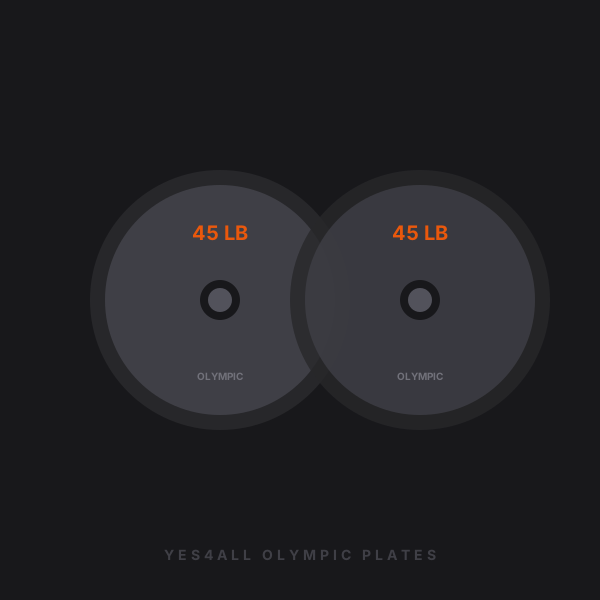
Yes4All Olympic Cast Iron Weight Plates (Pair)
Capacity
Pair of 45 lb plates (90 lb total)
Steel
Cast Iron
Footprint
17" diameter
Price
$89.99
- 4.6+ star rating on Amazon with 10,000+ reviews
- Cast iron durability
- Standard Olympic 2" hole fits all bars
- Available in individual pairs to build up your set
- Great for expanding an existing set
- Best value for adding weight
- Not competition-calibrated (weight tolerance ±2%)
- Painted finish can chip
- Not safe to drop on concrete (no rubber coating)
- Thicker than premium plates
When you need more weight, Yes4All Olympic plates are the best Amazon option. $1-2/lb, durable cast iron, wide size options. Read our Yes4All Olympic Plates review.
Storage Considerations
More plates = more storage challenges. Plan for:
- Plate tree ($50-100) — organizes vertical storage
- Plate horns on your rack — saves floor space
- Wall-mounted plate storage — cleanest look
Avoid stacking plates on the floor — it's a trip hazard and looks messy.
Common Questions
Related Content
- Best Olympic Weight Sets
- Best Bumper Plates Guide
- Yes4All Olympic Plates Review
- CAP Barbell 300 lb Review
- How to Choose a Barbell
- How to Organize Your Garage Gym
The Bottom Line
Start with a complete Olympic weight set (like the CAP 300 lb set) for the best value. Expand with Yes4All 45 lb pairs as needed. Buy bumper plates only if you do Olympic lifting or need drop-safety. Most home gyms are better served by cast iron plates — save your money for more weight, not premium materials.
Gym Builder Team
Our team tests every product hands-on before recommending it. We buy the equipment with our own money and train with it daily. No sponsored reviews, no pay-to-play rankings. Meet the team →
More in Guides
Bodybuilding Home Gym Setup: Equipment & Training Guide (2026)
How to build the perfect bodybuilding home gym. Equipment priorities, essential machines, and the setup for serious muscle building.
CrossFit Home Gym Setup: Complete Equipment Guide (2026)
How to build a complete CrossFit home gym. Equipment list, budget options, and programming for garage gym CrossFit training.
Garage Gym Summer Cooling: Train Through the Heat (2026)
How to keep your garage gym cool in summer. Fans, AC, ventilation, and timing strategies for hot weather training.