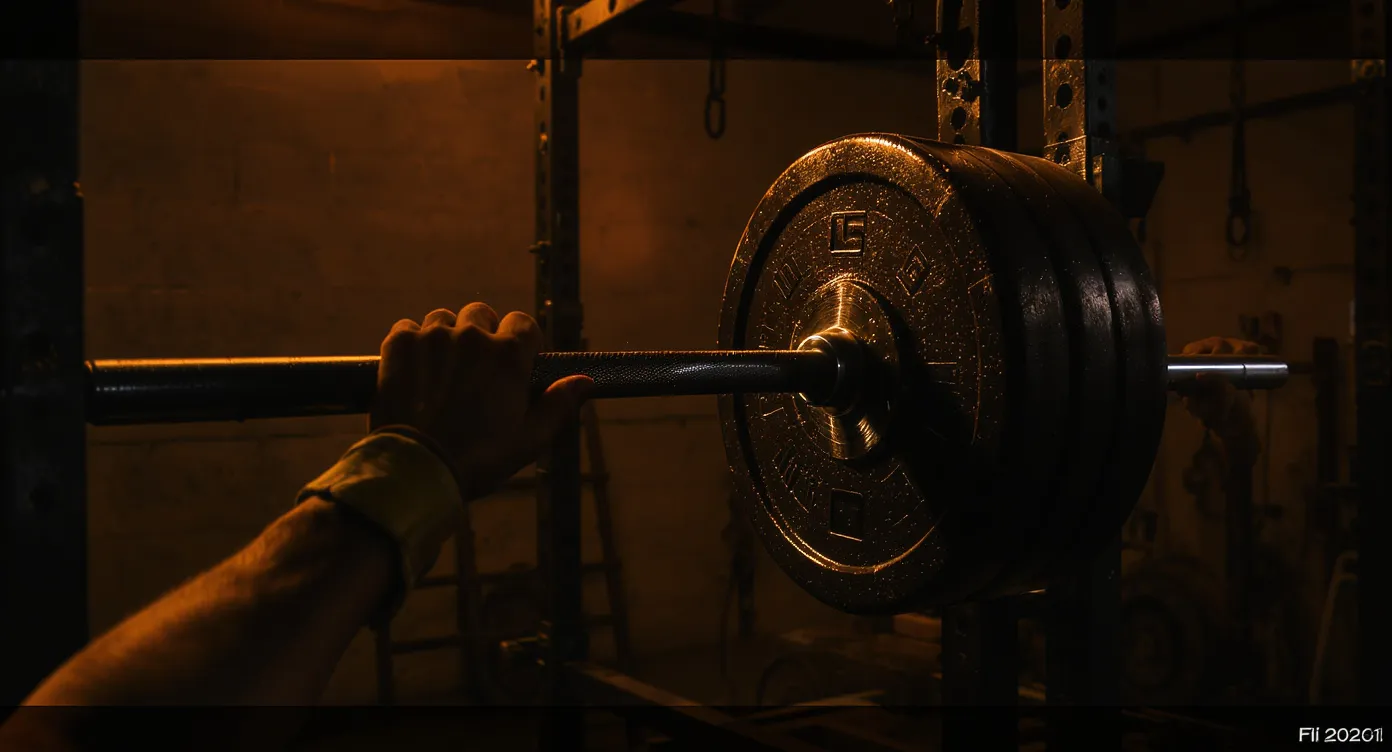
Garage Gym Safety: Essential Rules for Training Alone
How to train safely in a home gym without a spotter. Safety equipment, technique rules, and emergency protocols every solo lifter needs.
GarageGymBuilders is reader-supported. We may earn a commission through links on this page. Learn more.
Training alone in a garage gym is incredibly convenient. It's also potentially dangerous. Without a spotter, a failed heavy squat or bench press can have serious consequences.
This guide covers the equipment, technique, and protocols that make solo training safe.
Rule #1: Always Use Safety Equipment
Spotter Arms / Safety Bars
These are non-negotiable for solo training. Set them 1-2 inches below your lowest point in the lift. If you fail, the bar catches on the safety bars instead of pinning you.
For squats: Set safeties just below the depth of your deepest squat. Practice bailing to the safeties with light weight before going heavy.
For bench press: Set safeties just above your chest height. When you fail, lower the bar to your chest, then roll it to the safeties. Some lifters prefer to bench in the rack with the bar starting from the safeties (floor press height).
J-Cups
Quality J-cups let you rack the bar safely. UHMW-lined J-cups won't damage your barbell and grip the bar better than bare metal.
Collars
Always use collars. Plates sliding off one side of a loaded barbell creates a dangerous whip effect that can injure you or destroy your equipment.
The only exception: Some lifters bench press without collars intentionally, so they can dump plates to one side if they get stuck. This is a valid strategy, but it can damage equipment and flooring.
Rule #2: Know Your Bail-Out Techniques
The Squat Bail
If you can't complete a squat rep:
- Try to rack the bar if you're close to the hooks
- If not, sit the bar onto the safety bars by lowering your hips
- As a last resort, push the bar backward off your shoulders (dump it behind you) — only do this with bumper plates on proper flooring
Practice this with an empty bar before you need it for real.
The Bench Press Bail
If you can't complete a bench rep without a rack:
- The Roll of Shame: Lower the bar to your chest, then roll it down your torso to your hips. Sit up with the bar on your legs, then stand or dump it.
- Better option: Always bench in a rack with safety bars set at the right height.
The Deadlift
Deadlifts are self-spotting — you can always just let go. No bail technique needed. This is why deadlifts are the safest heavy lift to do alone.
Rule #3: Leave Your Ego Outside
Use RPE-Based Training
Rate of Perceived Exertion (RPE) keeps you from going too heavy:
- RPE 7-8: You could do 2-3 more reps. Safe for solo training.
- RPE 9: You could do 1 more rep. Approach with caution.
- RPE 10: Absolute max effort. Never do this alone on squat or bench.
Keep 1-2 Reps in Reserve
When training solo, never take sets to absolute failure on squat or bench press. Leave 1-2 reps in the tank. You'll still get strong — and you'll stay alive.
No PR Attempts Alone (On Certain Lifts)
Save max-effort squat and bench attempts for when you have a spotter. Feel free to push deadlifts and overhead press to a max — you can always bail safely.
Rule #4: Equipment Safety Checklist
Before every session, check:
Rule #5: Tell Someone
If you're training alone, someone should know:
- What time you're training
- How long you expect to be
- Where you are (garage, basement, etc.)
This isn't paranoia. If something goes wrong and you're unconscious, you need someone to check on you.
Rule #6: First Aid Basics
Keep these accessible in your gym:
- Basic first aid kit
- Phone (charged)
- Water
- Know your address (for giving to 911 — sounds obvious, but panic makes you forget)
Common Garage Gym Injuries and Prevention
| Injury | Cause | Prevention | |--------|-------|------------| | Dropped barbell on foot | Loading/unloading without attention | Always secure the bar before loading | | Failed squat (pinned) | Too heavy, no safeties | Always use spotter arms | | Bench press stuck on chest | Too heavy, no spotter | Bench in rack with safeties | | Knee/shoulder strain | Cold muscles, bad form | Warm up properly every session | | Slipped on floor | Sweat on smooth surface | Rubber flooring, chalk, clean surface | | Barbell whip | Uneven plate loading | Always use collars, load evenly |
The Bottom Line
Solo training is safe when you respect the equipment and your limits. Use safety bars, leave reps in the tank, practice bail-out techniques, and tell someone when you're training. These simple habits let you train alone confidently for years without incident.
Gym Builder Team
Our team tests every product hands-on before recommending it. We buy the equipment with our own money and train with it daily. No sponsored reviews, no pay-to-play rankings. Meet the team →
More in Guides
Bodybuilding Home Gym Setup: Equipment & Training Guide (2026)
How to build the perfect bodybuilding home gym. Equipment priorities, essential machines, and the setup for serious muscle building.
CrossFit Home Gym Setup: Complete Equipment Guide (2026)
How to build a complete CrossFit home gym. Equipment list, budget options, and programming for garage gym CrossFit training.
Garage Gym Summer Cooling: Train Through the Heat (2026)
How to keep your garage gym cool in summer. Fans, AC, ventilation, and timing strategies for hot weather training.