The Best Pull-Up Bars for Home Gyms (2026 Tested)
Doorway, wall-mounted, ceiling-mounted, and freestanding pull-up bars compared. We tested them all to find the best options for every setup.
GarageGymBuilders is reader-supported. We may earn a commission through links on this page. Learn more.
The pull-up is the single best upper body exercise you can do. It builds your back, biceps, shoulders, and core with zero equipment beyond a bar to hang from. Every home gym needs a pull-up solution.
We tested doorway, wall-mounted, ceiling-mounted, and freestanding pull-up bars to find the best option for every situation.
Quick Recommendations
| Setup | Best Option | Price Range | Weight Limit | |-------|-------------|-------------|-------------| | Apartment / rental | Doorway bar | $25-40 | 250-300 lbs | | Garage with rack | Rack-mounted (included) | $0 (with rack) | 500+ lbs | | Garage without rack | Wall-mounted | $40-100 | 400-500 lbs | | High ceiling | Ceiling-mounted | $50-120 | 400-500 lbs | | No mounting possible | Freestanding tower | $100-250 | 250-350 lbs |
Type 1: Doorway Pull-Up Bars ($25-40)
The most popular option for beginners. They clamp into a door frame with no tools required.
Pros
Cons
Best for: Apartment dwellers, renters, supplemental pull-up bar in a bedroom.
Skip if: You weigh 250+ lbs, want to do weighted pull-ups, or need kipping pull-ups.
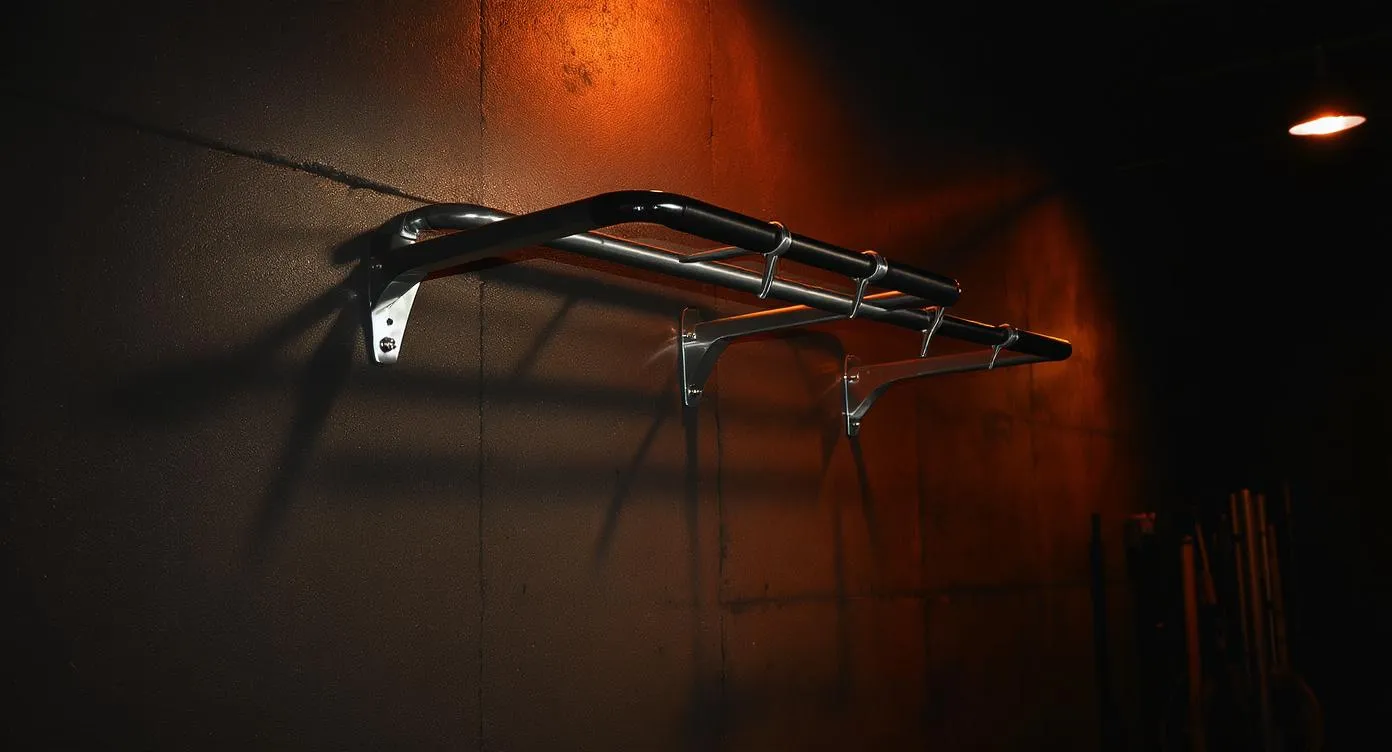
Type 2: Wall-Mounted Pull-Up Bars ($40-100)
Bolted directly to wall studs. The best balance of cost, stability, and space efficiency for most garage gyms.
Pros
Cons
Best for: Garage gyms without a power rack. The best standalone pull-up solution.
Type 3: Ceiling-Mounted Pull-Up Bars ($50-120)
Bolted to ceiling joists. Great for garages with high ceilings where wall space is limited.
Pros
Cons
Best for: Garages with 9+ ft ceilings and limited wall space.
Type 4: Rack-Mounted (Best Option)
If you have a power rack, you already have a pull-up bar. Most racks include a straight bar, and many offer multi-grip attachments.
All four racks in our catalog include pull-up bars:
Best for: Everyone who has a power rack. It's free, solid, and rated for the rack's full weight capacity.
Type 5: Freestanding Pull-Up Towers ($100-250)
Standing frames that require no mounting. Last resort for situations where you can't drill into anything.
Pros
Cons
Best for: Only if wall/ceiling mounting is impossible.
Grip Variations You Need
Regardless of bar type, make sure you can perform:
- Wide overhand grip — targets lats and outer back
- Shoulder-width overhand grip — balanced back development
- Close underhand grip (chin-up) — biceps emphasis
- Neutral grip — easiest on shoulders, forearm emphasis
Multi-grip pull-up bars ($40-70) offer all four positions in one bar.
The Bottom Line
If you have a power rack, you already have the best pull-up bar. If you don't, a wall-mounted multi-grip bar ($40-100) is the best standalone option for a garage gym. Only use doorway bars as a temporary or supplemental solution.
Gym Builder Team
Our team tests every product hands-on before recommending it. We buy the equipment with our own money and train with it daily. No sponsored reviews, no pay-to-play rankings. Meet the team →
More in Best Gear
CAP Hex Dumbbells vs Bowflex 552: Fixed or Adjustable?
Fixed cast iron dumbbells vs adjustable. CAP Barbell Hex vs Bowflex SelectTech 552 — which is the smarter buy for your home gym?
Iron Bull vs Spud Inc Dip Belt: Which Is Worth the Price?
Iron Bull Strength Dip Belt vs Spud Inc Deluxe — budget vs premium dip belt comparison for weighted pull-ups, dips, and belt squats.
Doorway vs Wall-Mounted Pull-Up Bar: Which Should You Buy?
Doorway pull-up bar or wall-mounted? We compare the Iron Gym doorway bar vs wall-mounted options for home gyms, apartments, and serious lifters.